Shavuos: After the Kumzits
Why Shavuos demands a new self and not another spiritual high

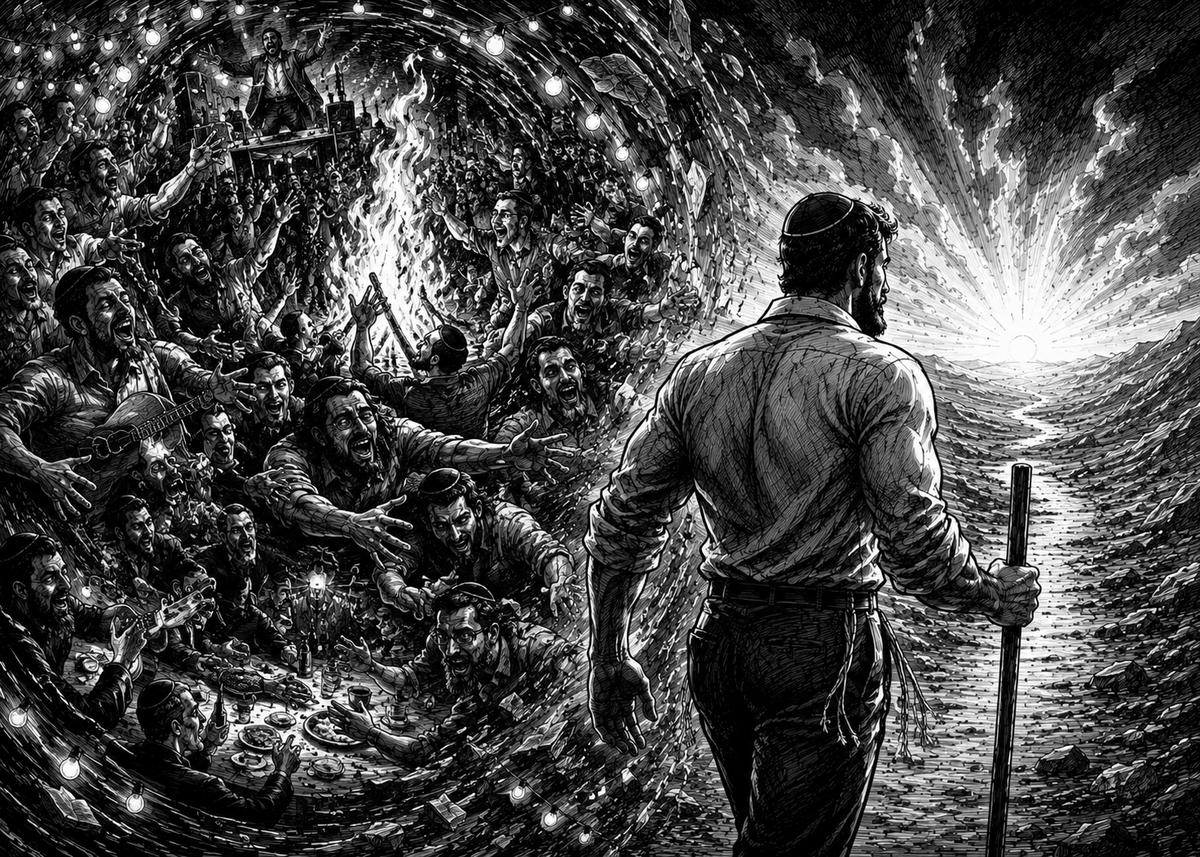
The parking lot was still full when he walked out.
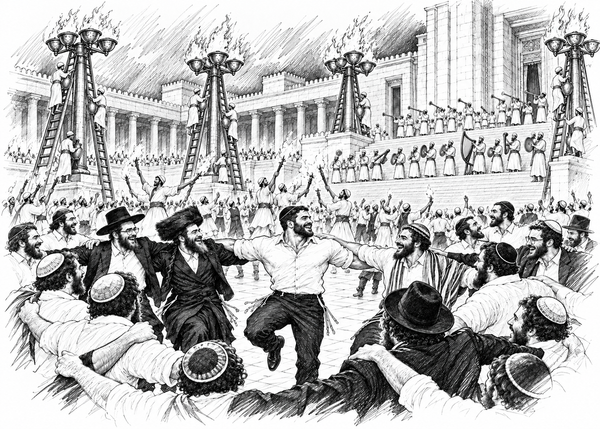
A few men still swayed under the streetlights singing quietly with arms wrapped around each other.
Somebody shoved a warm bottle of “soda” into his hand.
WhatsApp statuses were already filling with slow-motion clips of the fire, the singing, the closed eyes.
He sat in his car scrolling.
Another kumzitz.
Another “deep” clip.
Another man whispering about Atik Yomin, olamos, ratzon, Ohr.
For a few moments he felt enormous.
Ancient and Holy.
He felt awake.
Then two days later he lost his temper over something silly.
I know this man because for years this was me.
Not the holiness.
The chasing.
One shiur after another.
One niggun after another.
I know how to speak the language.
I can mumble words like דוכרא and אור אין סוף with my eyes half closed, fluttering, looking up to the sky and feel like I was touching heaven.
Meanwhile my anger remained.
My ego remained.
My need to be seen...
The feeling was changing me less than I thought.
The Bnei Yissaschar says that when Klal Yisrael left Mitzrayim, Kedusha came as a gift.
Revelation flooded them before they had earned it.
They reached higher awareness so they could rise from the Mem Tes Shaarei Tumah.
Spiritual levels in an arousal from above.
In haste, not through their own avodah.
And because it was unearned, it could not last.
So the light left.
It was needed for them to be able to leave Mitzrayim.
It was real enough to show them who they could become.
And then came ספירת העומר.
Forty-nine days of building and refining.
The Bnei Yissaschar says only afterward, through yearning and effort, did Klal Yisrael become vessels capable of receiving Torah through their own work.
That is the part many of us skip.
We keep trying to live off the first night of Pesach.
Another kumzitz.
Another tisch.
Another “powerful vort.”
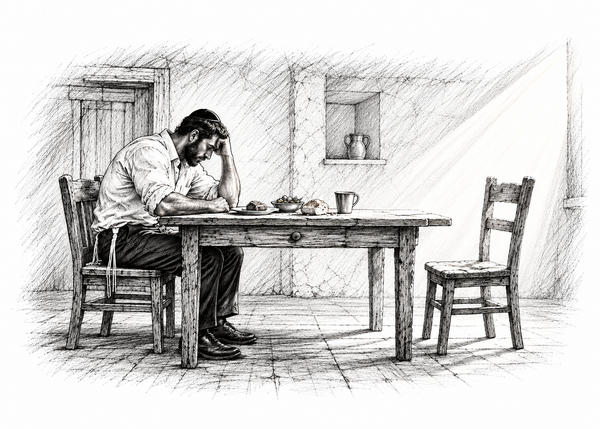
Another glowing clip at one in the morning while our wives and children sleep upstairs.
The world calls this the hedonic treadmill.
The first hit excites you.
Then the nervous system adapts.
Soon you need something stronger just to feel alive again.
I think this can happen spiritually too.
Simple inspiration no longer cuts it, so the Yid escalates.
More intensity. More mystical language. Bigger highs.
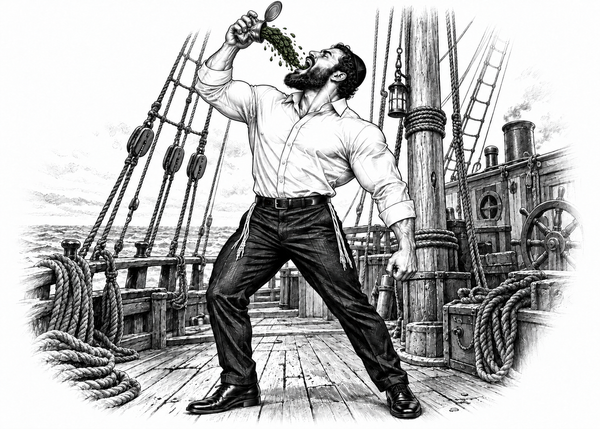
More meat boards and music videos.
But the ego remains untouched.
You can cry during a niggun and still be worshipping yourself.
The tragedy is that it can look like avodas Hashem from the outside.
Especially these days, when Torah content never stops flowing.
Shiurim. Clips. Podcasts. Concerts. Niggunim.
Tiny bursts of spiritual stimulation all day long.
And slowly a terrible confusion settles in.
We begin mistaking spiritual consumption for spiritual growth.
What frightens me is how easy it is to hide inside this forever.
A man can spend twenty years learning the vocabulary of depth instead of becoming deep.
Become fluent in yearning while carefully avoiding change.
Sometimes I think we have confused being emotionally moved with being spiritually transformed.
But movement is not transformation.
Tears are not תיקון.
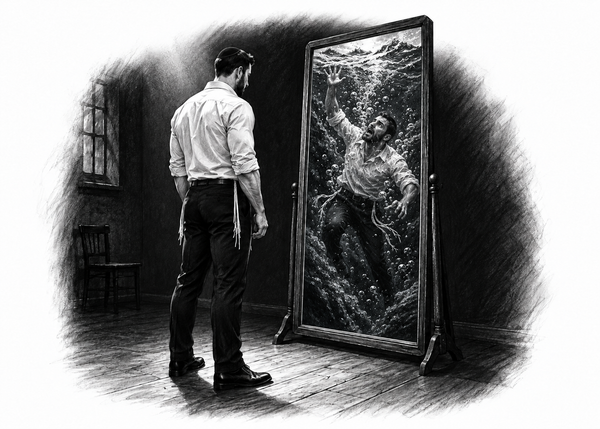
A person can leave a kumzitz feeling shattered open and still remain enslaved.
I think this is part of why the yahrtzeit of the Baal Shem Tov falls specifically on Shavuos.
The Besht did not descend into the world to create a religion of spiritual thrill-seekers floating from one emotional fire to another.
He came to wake sleeping Jews up.
To break open the shell around the heart so a person could begin real avodah.
Not just feel holy for a few hours.
Real avodah usually looks far less dramatic.
It is repetitive and quiet and almost invisible.
It’s because of that, the ego hates it.
The Nesivos Shalom says that on Shavuos we need to bring a מנחה חדשה, a new offering.
This means you are required to bring a new self.
Something you worked on for you and Hashem alone.
Not a prepackaged experience with a famous singer that made you really feel “a part of it”.
That is the entire journey from Pesach to Shavuos.
Pesach is the gift.
Sefirah is the work when the Ohr left.
Shavuos is accepting Torah after becoming someone capable of holding it.
It’s not chasing another feeling.
Even this newsletter scares me sometimes.
I wonder how much of my own writing is real avodah and how much is another form of spiritual performance.
Even small things.
Signing my name as only “Adam.”
I feel I need simplicity to become its own aesthetic.
Wanting my humility to be noticed.
The yetzer, the ego, is a genius.
It knows how to dress itself in white shirts and holy language.
I hope naming the disease honestly is the beginning of healing.
Maybe the real avodah of Shavuos is smaller and quieter than we imagined.
Davening even when nothing burns inside.
Learning slowly instead of consuming endlessly.
Fixing one middah without announcing it.
Doing mitzvos without demanding an emotional payoff afterward.
Being one with the desert.
Making yourself ownerless. Hefker.
Bitul Hayeshus.
The making of space within yourself to accept the Torah for real.
The high was never the avodah.
The high was only the map.
The highest madreigah is not one who burns brightest beside the fire for one night.
It is the yid who still walks toward Hashem after the music stops.
Many of us learned how to feel holy before we ever learned how to become holy.