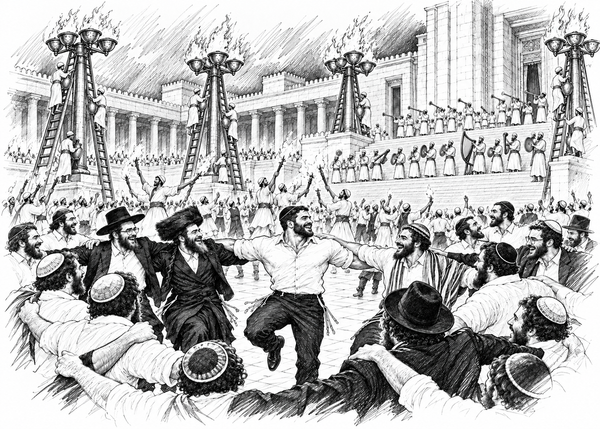
Re’eh: True Kindness
It is hard to give. That's the point.

We don't naturally do this. We don't naturally understand the needs of others. Even having sympathy, much less empathy, is downright hard. You could almost say it's against our nature.
Parshas Re’eh goes over the list of kosher birds again, as is the way of Sefer Devarim. And we come across the Chasidah, the stork.
Rashi explains why the stork is called a "Chasidah" based on a Gemara in Chulin. It's a sweet reason. It's nice. Heartwarming in all the right ways. It's called a chasidah because it does chesed for its friends. שֶׁעוֹשָׂה חֲסִידוּת עִם חַבְרוֹתֶיהָ.
I was learning with my chavrusah, and he brought out his vort for me. I was actually asking him, "How can I get better at these divrei Torah?" "I felt I was in a bit of a slump recently when it came to the writing of this weekly newsletter, and he brought this vort out for me. About the Chasidah, who does kindness for its friends.
And as you all know, the vort doesn't stop there. The Ramban teaches us that while there aren't specific signs to tell which bird is not kosher, there is a list. And the chasidah is on this list.
So you’ll ask me, but then why does it have such a nice name? Why does the gemar point out the beauty of the name, and yet it's not kosher?
You all know what's coming here. You know the vort; I know the vort. I didn't know it came from the Chidushei Harim, though. It's one of those Vorts that are so ubiquitous it feels like it had always been the pshat. R’ Yitzchak Meir Alter, the first Rebbe of Ger, taught us the lesson of the Chasidah. It does kindness for its friends. It is still not kosher, because it does kindness only for its friends.
An old vort… yes. Older than the sands of time, I think. That is why we need to jump back into it. The heilige Ruzhiner taught the same vort, and so did the Kotzker. It has sort of become a cliche vort. At least that's the way it seems to me. The truest truism that was ever true. It notches itself perfectly into that part of the mind that had been carved and set with the rules of how to be. The part that doesn't always travel all the way down from the mind to the heart. You need to do kindness, not only with our friends but also with everyone else.
The Kotzker goes harder into the paint, though. The way you do chesed also tells the story of what kind of person you are. Do you only do chesed for your friends? So, it's essentially a selfish pursuit? When you give to your friends, you know that will endear them to you. It's a matter of self-preservation. A matter of self. A bechina of Yeshus, of selfness.
Giving to others no matter what is risky. It may make precarious your efforts at self-preservation. This notion grinds against what has been programmed into your psyche from the moment it was born. It is programmed into every living thing from the beginning of creation. The instinct to survive. The Torah here tells you to quiet that screaming alarm in your head and to just give to others.
And no, we are not talking about tzedkaah here. Tzedakah is not chesed. It can be a part of it, but it is its own thing. For many, tzedaka is simple. You write your check, and you feel like you did your chesed of the day, but you can’t even feel it hit your account.
That's not called doing chesed. That all still fits into the natural instinct of self-preservation. The kavod, the honor of giving money. It feels good and is good for taxes.
Real chesed is hard.
My chavrusah told over this vort, and I said to him, "But where's the real bite of this vort? This is a famous VRT. Where's the chidush? Where's the oomph?” He looked at me and said simply, "It's simply to know that chesed is difficult. It's hard. It's an avodah. It's hard to do for others."
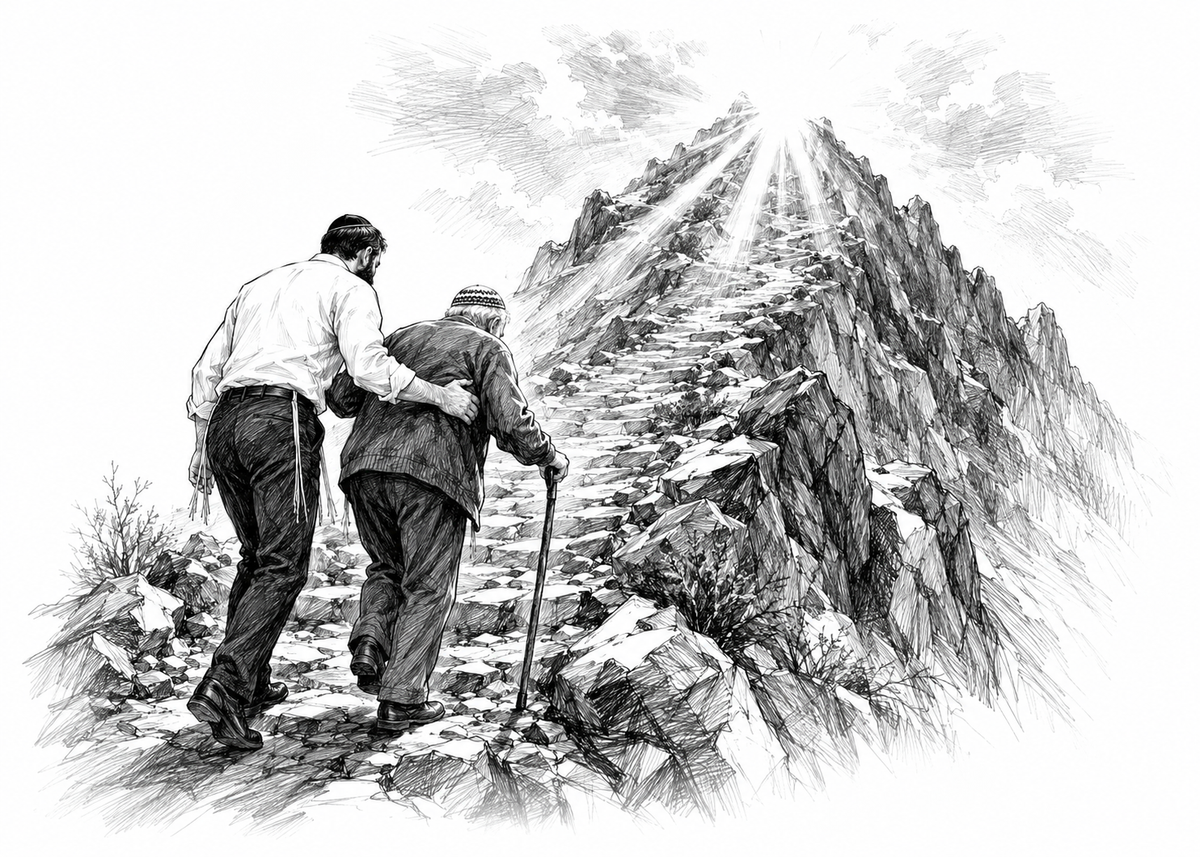
Parshas Re'eh starts off with a directive. See, this day I set before you blessings and curses. Devarim is where Moshe is reiterating to the people how to live. How to be. Perhaps to tell us that the natural morality that is logical and obvious is not enough to pull us up the mountain of Hashem.
Of what purpose is the Torah if it is only aligned with the physical drive for self-preservation? Is the Torah not more than a how-to manual? Or is it a way, perhaps, to transcend the preprogrammed algorithm baked into our physical being?
It is a wonderful thing that there is so much tzedakah given and so much chesed being done. But when you look in the mirror and see yourself and really see yourself, are you really truly giving? It's in you. You can do this. You have the ability to give chesed ad ein sof... but it's hard. I get it.
This whole newsletter was supposed to be simply about how to be a Gibor. Not the way the world looks at a hero or a powerful man. But the way the Torah looks at a powerful man. The Mishna in Avos explains that the goal is to be kovesh your yitzro. To conquer your nature. To see the algorithm of the physical world writhing in your mind and freeze it in its tracks.
A Gibor is one who climbs the mountain of Hashem. Who rises above into a way of being that is beyond the gravitational pull of self-centeredness.
So when a gibor learns this parsha and reads about the chasidah and remembers the cute vort that we all already know. Perhaps the gibor will take a minute and remember that this goes beyond the cuteness. That it's hard. True chesed is hard.
And a Gibor rises to the challenge and does the hard thing.