Vayishlach - Drift
How a Good Man Loses Himself
Dinah walks out softly.
No drama in her steps. No rebellion.
She’s just a girl moving through the world with a kind of unguarded innocence that should have remained untouched.
The Torah freezes that moment because it knows something about us we don’t like admitting.
Most disasters begin quietly.
In a movement so small it feels harmless.
A shift that barely registers.
And then she returns broken.
I read that scene, and something inside me stirs uncomfortably.
I know that drift.
Not her circumstances, chas v’shalom, but the way a person can step out of his life without realizing it.
One foot beyond my usual border, and suddenly the ground feels different.
A man can still look righteous on the outside while the inside begins loosening, thread by thread.
Years of good intentions don’t protect anyone from that slow slide.
The Rambam calls this out.
“Awake, sleepers… those drowning in the distractions of time… search your deeds… return.”
He isn’t talking to wicked men.
He’s talking to me and you.
Decent men who fell asleep at the wheel.
Men who lived responsibly, kept mitzvos, and provided for their families, yet let the small, daily shifts carry them somewhere their younger selves would barely recognize.
Spiritual drift is rarely loud.
Usually it’s a hum. A forgetting.
I feel it in my own life.
I try to be a good person.
I do the things all Jews should do.
But my body is not healthy the way I know it could be.
I get lost in distraction.
I push off simple tasks.
My kavanah, my Torah, and my tefilah are not where they should be, where they need to be.
The gap grows slowly. Nothing catastrophic.
Just the steady widening of a crack I didn’t track.
And then one day you look up and realize the man you thought you were is a few steps behind you, asking why you left him there.
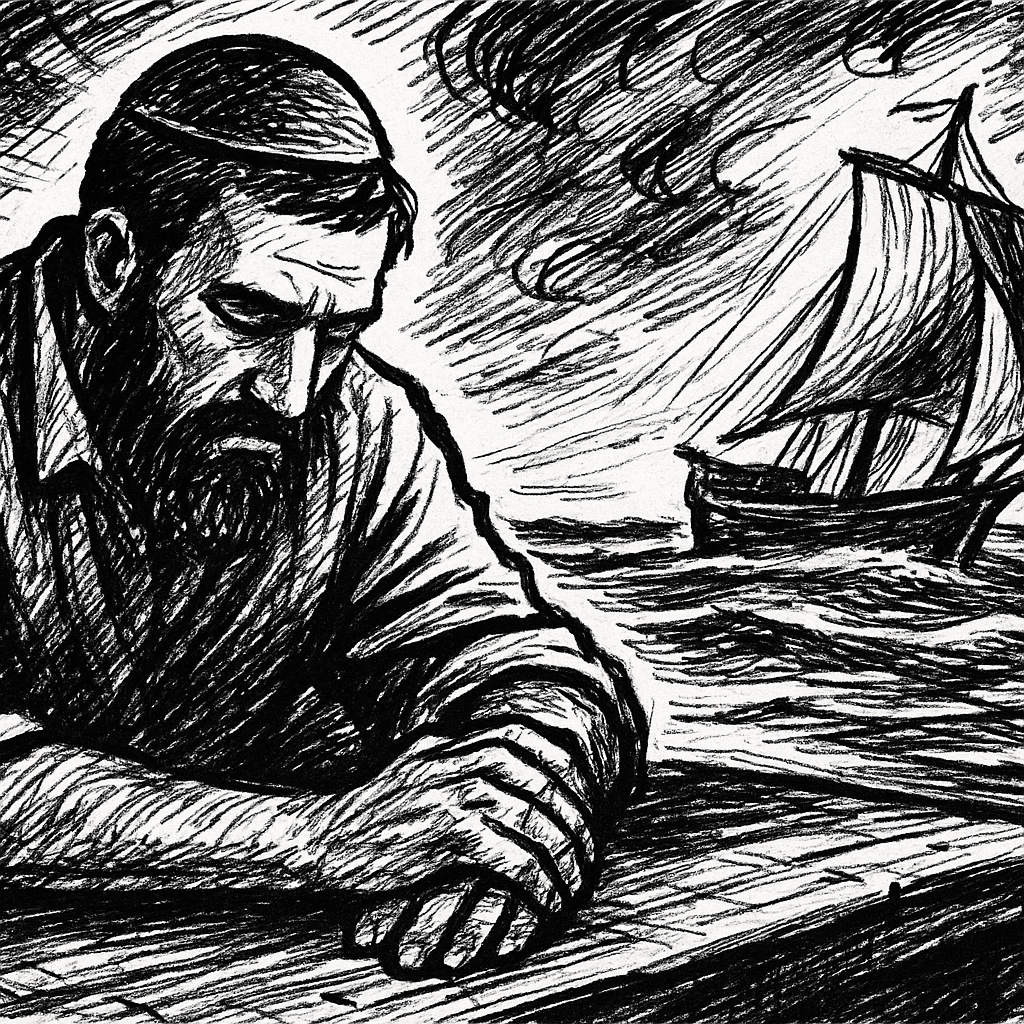
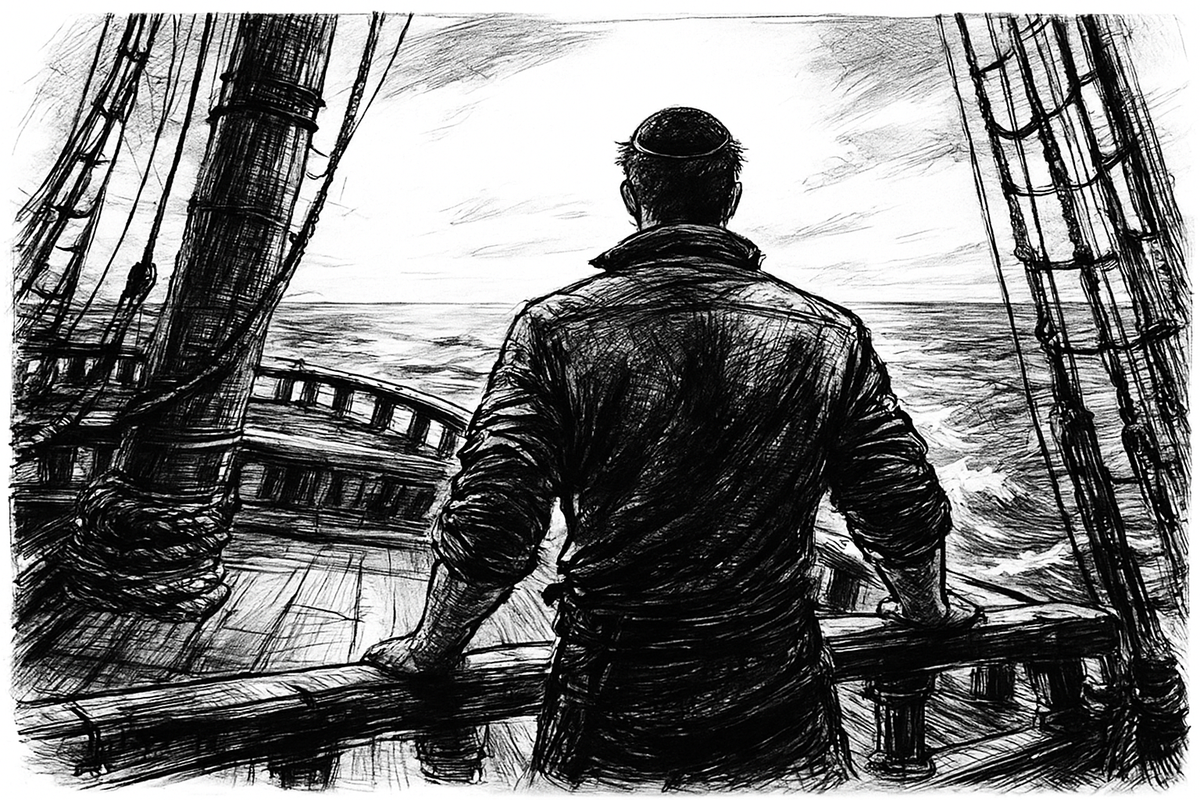
A ship at sea needs constant correction.
One degree off and you don’t notice anything at first.
The water still looks the same.
The sky still opens the same way.
But let weeks pass, and that one degree becomes a different world.
A sailor ends up staring at a coastline he never meant to reach.
Dinah steps out by a degree or two, not even that much, and her world tilts.
That’s the haunting part.
Her tragedy is wrapped in a movement so normal that none of us would have seen danger in it.
That is the quiet warning of this parsha.
The greatest threats to a Jew’s soul rarely walk through the front door.
They arrive through routine and exhaustion.
It is the slow dulling of awareness.
You can spend your life doing the right things and still wake up wondering why you feel worn out and out of alignment with the purity you remember from childhood or yeshiva or the early days of marriage.
This happens because you stopped checking your compass.
The Rambam’s answer is not complicated.
Wakefulness. Awareness.
A few minutes each day or each week where you stop running and actually look at where your feet have been landing.
Hisbodedus. Hisbonenus.
A small cheshbon hanefesh.
Shabbos is the weekly return to the helm of your own ship.
You don’t need a notebook full of charts.
You just need honesty.
Five minutes. That’s enough to shift a life back toward truth.
So sometime this week, sit alone for a moment.
Ask yourself if you are still aligned with the inner purity you began with.
If the answer is no, don't feel ashamed or guilty.
I learned this powerful frame from Alex Hormozi this week.
“Guilt is just the feeling you get for breaking your own rules.
Shame is the feeling you get when you break someone else’s.”
Shame kills movement.
Just adjust the wheel by a degree or two.
That’s all.
Teshuvah begins with noticing.
Dinah walked out unaware of how far the world would shift beneath her.
You and I don’t have that excuse.
We can see the drift as it forms.
We can take hold of the wheel again.
Wake up, sleepers, from your slumber.
Look inward.
Reclaim the path before the wind decides it for you.