There Are No Doorknobs in Berlin
Where the Gibor Walks - 1
It was a few weeks into my first trip to Germany when I noticed the thing that finally made everything click.
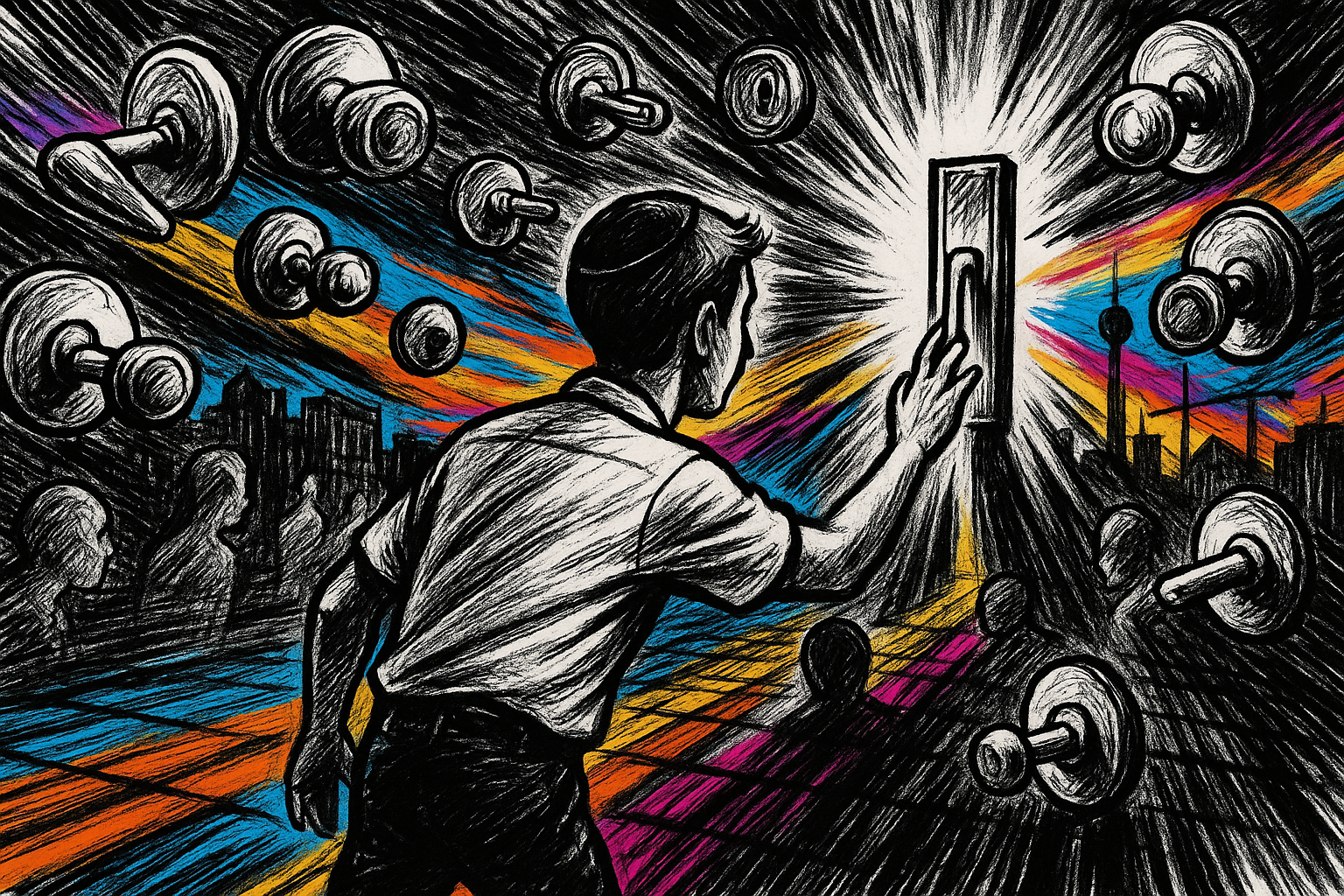
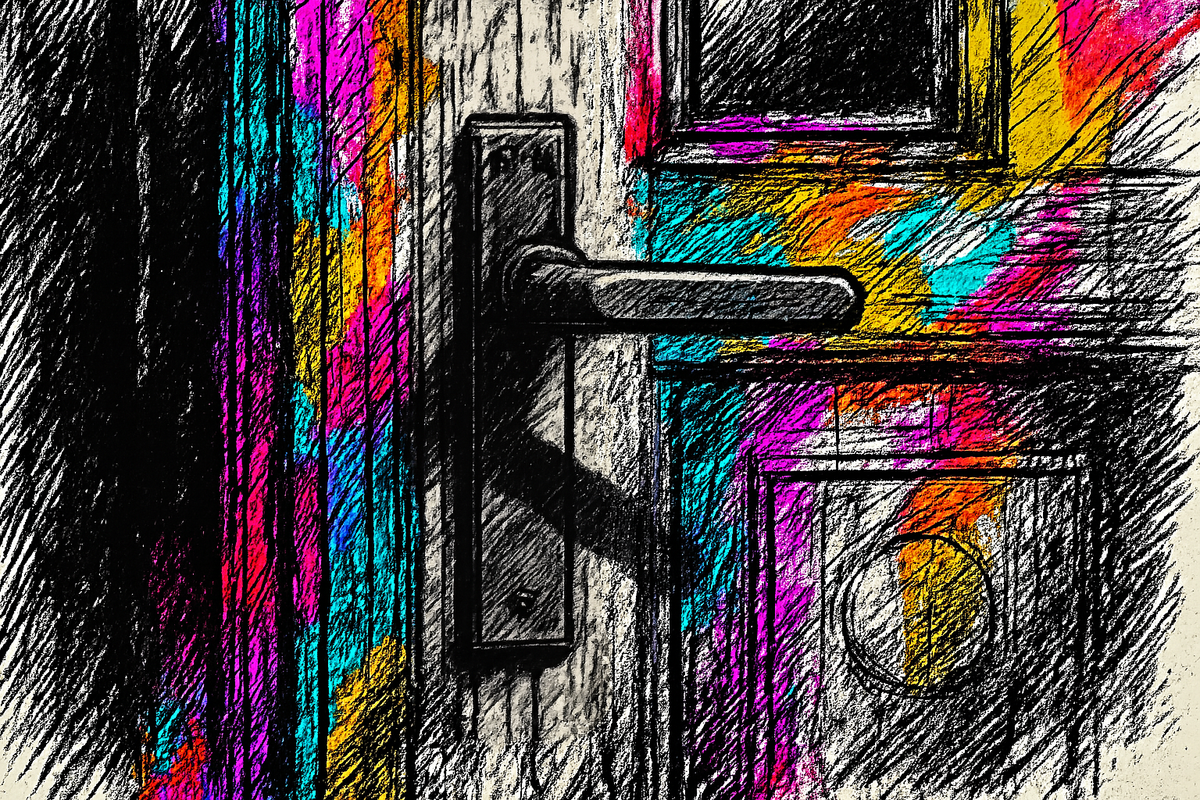
There were no doorknobs.
Not a single one.
Every door had a handle. Long, vertical, utilitarian.
You pulled or pushed. it just worked.
But the circular twisty doorknob, that staple of American architecture and childhood muscle memory?
Gone. Entirely absent.
And strangely, that was the moment everything fell into place.
I had been walking around in a fog of differences.
The language, the faces, the stiff air between conversations. The architecture. The smell of tobacco in the stairwells. The European trams that glided instead of shrieked like the subways back home. The perfectly quiet streets lined with apartments instead of houses, each corner holding some shade of history.
It was all foreign, overwhelming, and too much to grasp at once.
But the doorknob thing? That I could understand.
It was such a small, laughable detail—but it gave shape to the unspoken truth:
I wasn’t in Queens anymore.
I was 20 years old when I first went to Berlin.
Rabbi Josh Spinner, head of Yeshiva Beis Tzion, had come to Waterbury Yeshiva looking for a couple of American yeshiva guys who could help infuse the local bachurim with a sense of what it meant to be an “American bochur.”
My rebbe at the time, Rabbi Berenstein, along with Rabbi Kaufman the Rosh Yeshiva, helped build the opportunity. Two of us were chosen, myself and my friend Yossi Lench, to fly across the world and learn Torah in Germany for two months.
I had never traveled abroad alone before. It wasn’t a tour or a group trip.
it was just us, dropped into a rebuilt Berlin, surrounded by ghosts, old shuls, new apartments, quiet streets, and the soft buzz of a tram going by.
The yeshiva was on Rykestraße, in Prenzlauer Berg, a quiet, beautiful neighborhood of Berlin, with trees that swayed gently, concealing darker memories beneath their shade.
The building we learned in was old—formerly a gatehouse of a massive Reform shul. You could still feel the echo of grandeur.
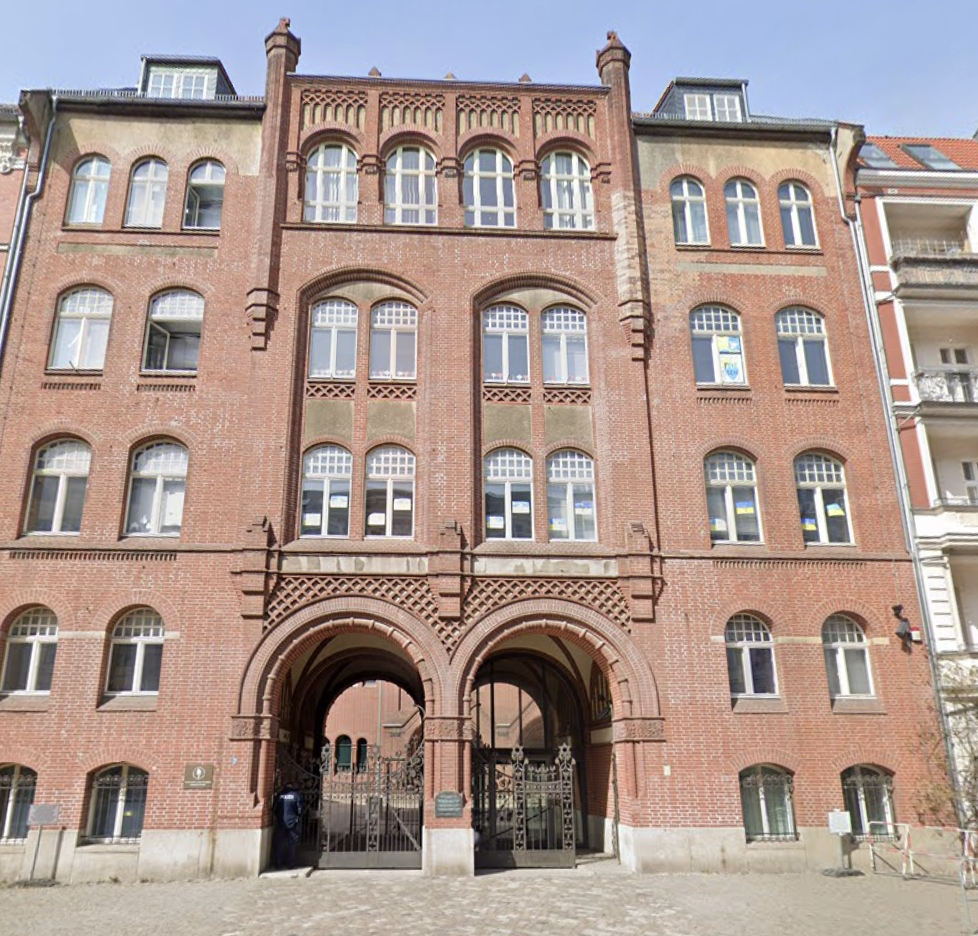
The two buildings weren’t connected, but their proximity made them part of the same story. It was one of the only shuls left standning in all of Germany.
The reason the Nazis left it up was becasue it was built up against all the other buildings around it and burning it would destroy the other buildings, so they left it alone. they just trashed the inside.
Inside the gatehouse: young Russian-speaking Jews learning Gemara. Outside: bronze plaques embedded in the sidewalk listing the names of Jews who had once lived in those buildings, deported and murdered.
Every morning, I walked over cobblestones with a Gemara in my bag, and I felt the ground murmuring beneath me.
I had expected the dread. I had expected to feel horror, guilt, spiritual weight.
But what I saw was different.
Most people were just trying to live their lives. Grocery shopping. Smoking outside the pharmacy. Hurrying to work.
Pretending we didn’t exist—or, just as often, nervously trying to prove to us that they weren’t “like that.”
We once met a Bundestagsabgeordneter—a member of German parliament—who bent over backwards to explain how his family was not part of the Nazi Party and had, in fact, suffered starvation and loss during the war.

He wasn’t defensive; he was desperate. Desperate for us to know that he didn’t carry that stain. That he wasn’t that kind of German.
It was one of many subtle dances I experienced that zman.
The Russians in the yeshiva called us “crazy Amerikanski.”
That became our nickname. They weren’t wrong.
We weren’t even that loud, but our accents, our jokes, our casual style stood out in a city that whispered rather than spoke.
We were told more than once not to make a scene.
There was a lot to get used to.
Kosher symbols were banned from packaging as a public display of religion. We relied on printed lists to find what we could eat.
The public transportation was eerily calm, like a meditation in motion compared to the screeching metal of the New York subway.
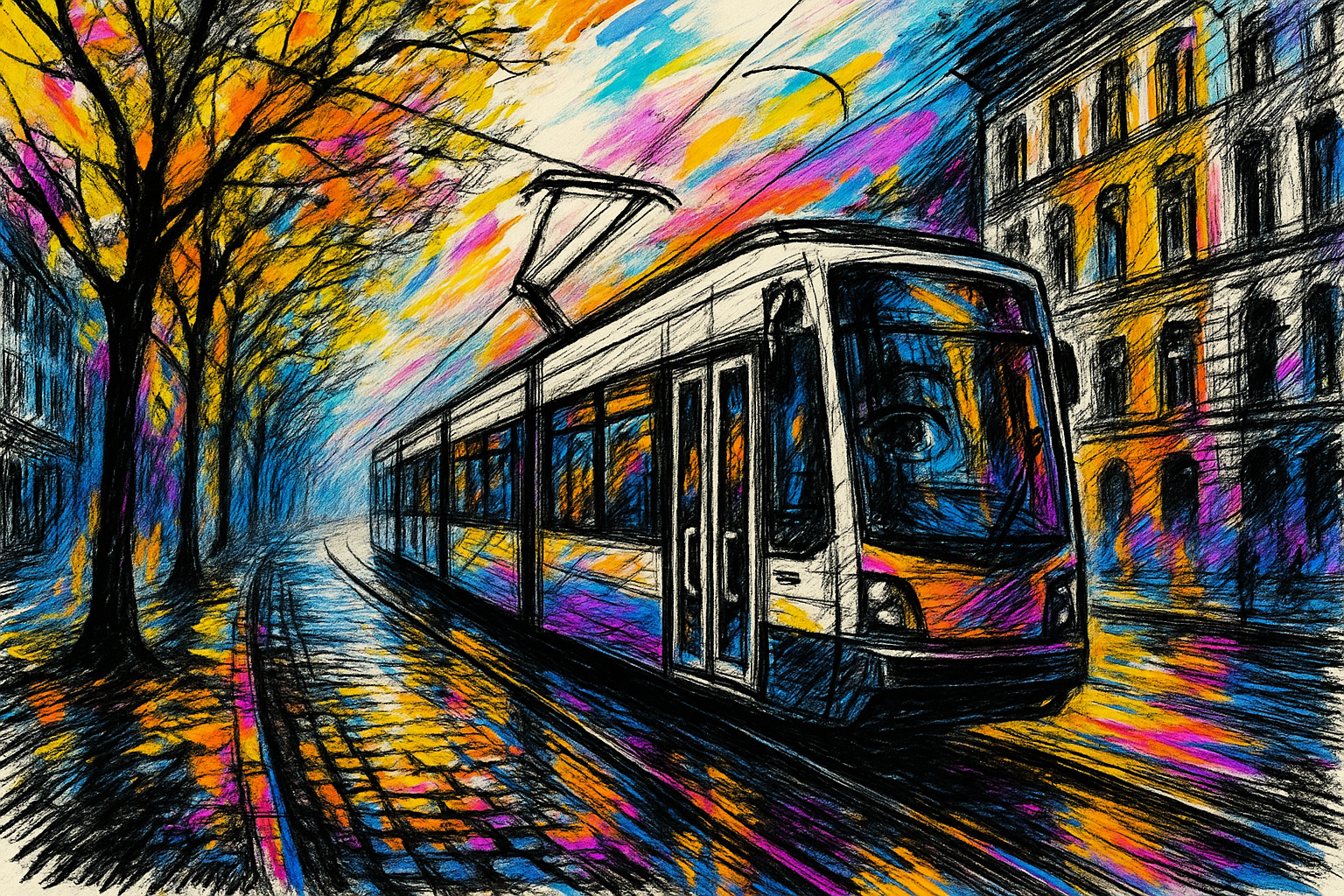
The Germans, as we were warned, were particular. Precise to a fault.
At the airport, I tried to explain to a security agent a better way to organize my carry-ons to move through the x-ray machine faster.
He shook his head and insisted we do it his way, which meant using two different conveyor belts and making everything harder.
you cant explain anything in america either, they just look at you like you belong in a lock up. but America already figured out how to maneuver people through security.
No flexibility. No deviation.
It was a country of handles, not knobs, although the security agent was a bit of a knob.
That handle—clean, straight, fixed—became my symbol.
It wasn’t just architectural. It was psychological. Cultural. Spiritual.
The knobs I knew were round, adaptable, familiar. Handles were something else. You pull them straight. You don’t twist. You don’t adjust. You accept the function as it is.
That realization helped me breathe.
Because everything had been too much.
The hidden history behind every beautiful building.
The Israeli expats living in Berlin because they were tired of Israel—a reality I still can’t wrap my head around.
The German Jews who had stayed. The Russian Jews who had arrived.
The confused looks, the quiet pride, the strange blend of mourning and rebuilding.
It was all too much to hold.
Until I found a metaphor that made it manageable.
Until I saw the doorknob, or the lack of one, and laughed.
“This isn’t home,” I thought. “But it doesn’t have to be. This is where I’ve been sent.
Let me see what I can find here.”
That trip changed me.
Not through one massive revelation, but through a thousand tiny adjustments.
I began to see how the world works differently depending on where you stand.
And how powerful it is to step outside your world and watch your reflexes misfire.
Because that’s when you really learn.
And that’s why I’m writing this now.
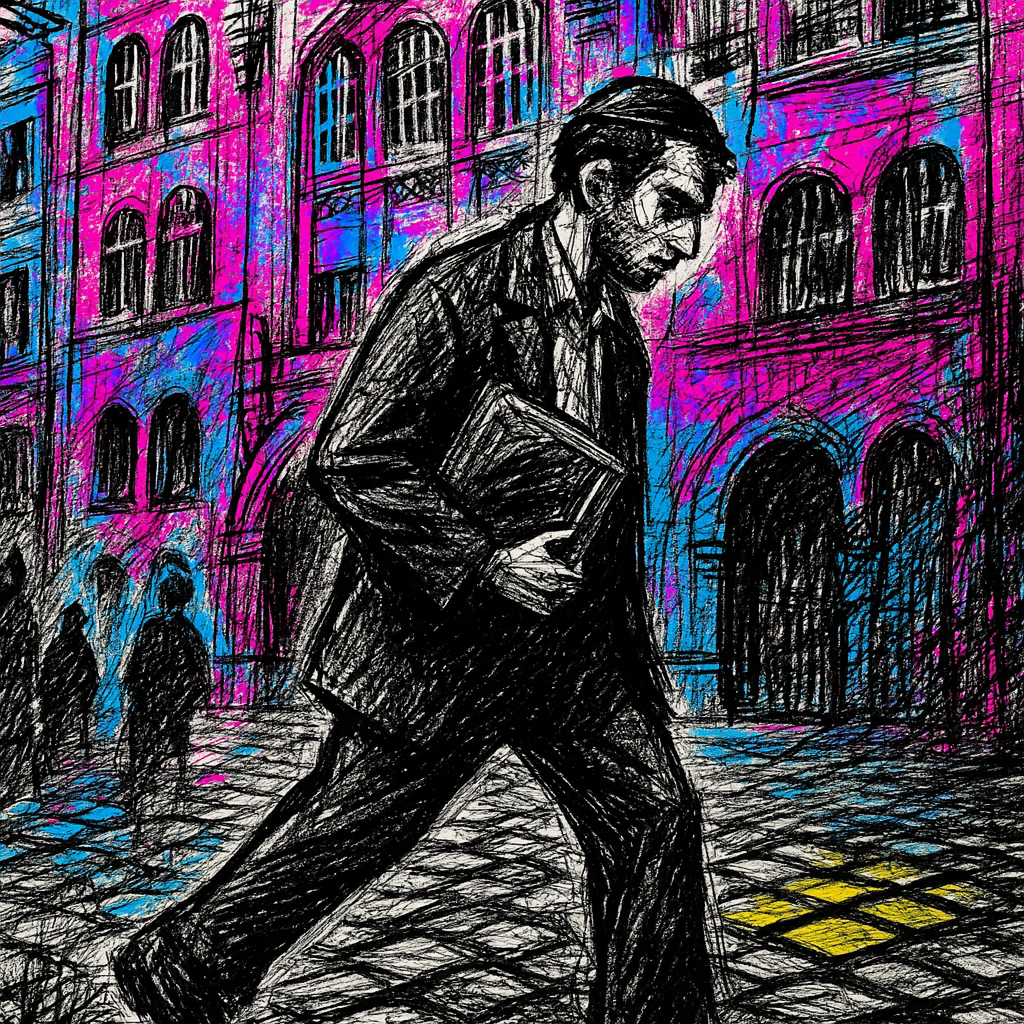
Rabbi Spinner had asked me to write a reflection piece back then—something for the yeshiva newsletter, or maybe just for myself.
I never did.
I didn’t have the words yet. I didn’t understand how important that trip had been, or what it had unlocked in me.
But I carried this title in my head for 20 years:
“There Are No Doorknobs in Berlin.”
It’s not about the hardware.
It’s about the shell shock of contrast. The disorientation of exile. The realization that life can feel strange and heavy,
and that Hashem still placed me there.
You may not have the tools you’re used to.
The doors may not open the way you expect.
But if you stop looking for knobs, and start feeling for handles,
You might just find the way through.