Naso - Crowned and Cracked
Why the Torah’s Most Extreme Character Might Be Your Only Hope
Society doesn’t implode overnight.
You, young gibor, brought into a world that only takes and takes and takes while whispering sweet nothings into your ear.
Every move, every step you take, bombarded from all corners with Kinah, Taivah, and Kavod.
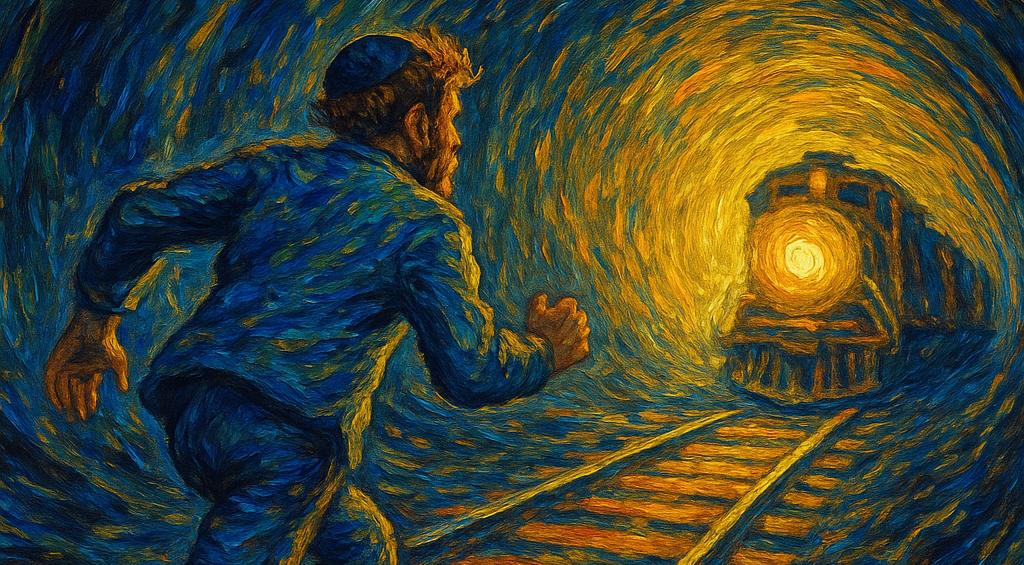
The gold light shines in your eyes, your hair askew as you run to the light.
Run and run to the light.
That light at the end of your tunnel is just a freight train coming your way.
Money, sex, and vainglorious self-worship.
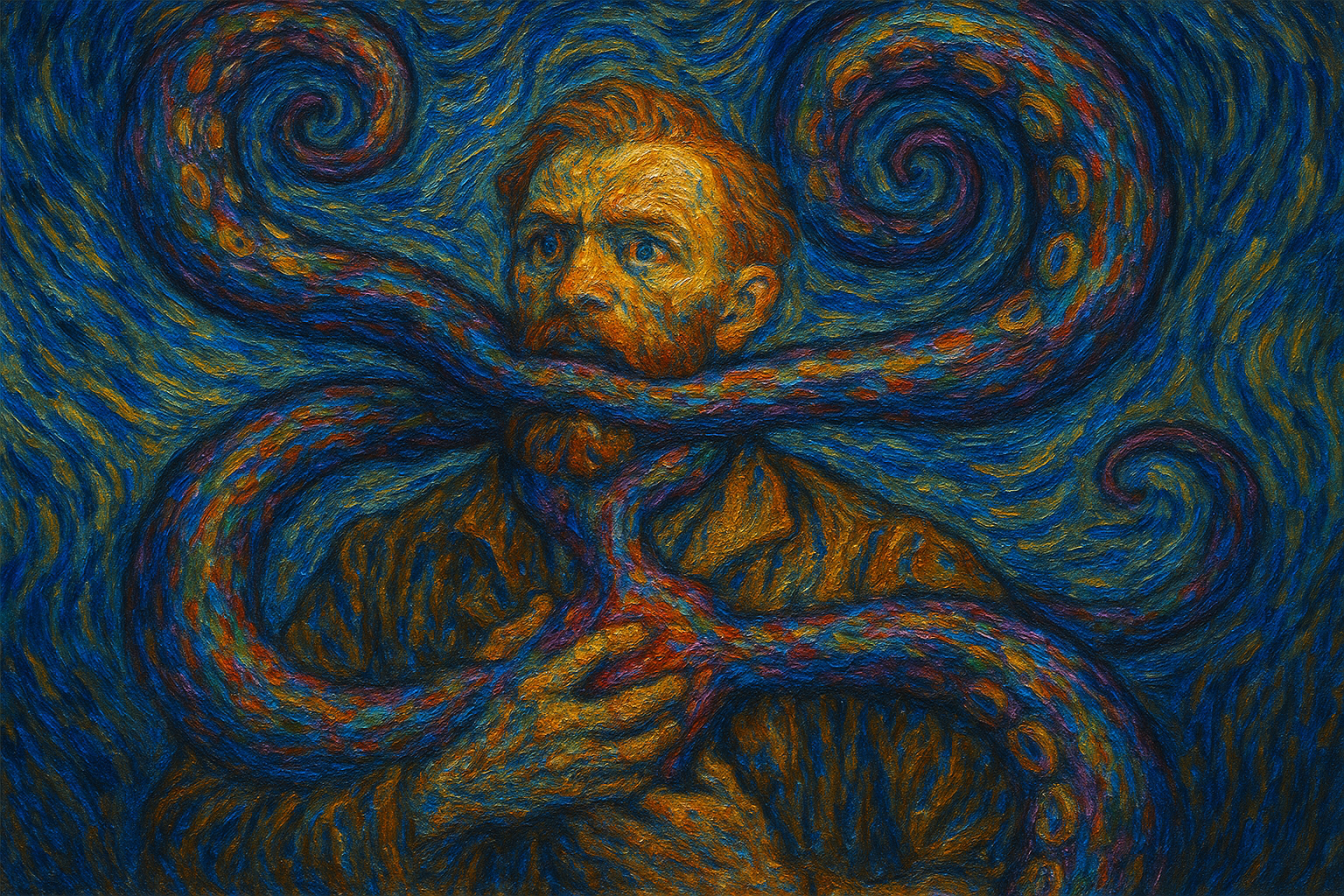
The three gods of this world wrap their eldritch tentacles around your throat, your heart, and your mind, and they don't let go.
You think you are protected in your little frum community from these ancient horrors, from these mountains of madness.
As you witness money being used selfishly around you.
As lust ferments and germinates from places that have a hundred hechsherim.
As honor is taken and fought over, while the real work is left ignored.
We are not safe from this.
If this is not you, then great!
If you surround yourself with the Giborim of this age, you will avoid the allure.
But if you react in rage to my utterances, horrified I would dare accuse anyone, perhaps you are part of the problem, my friend.
Good people can be swept up along with the bad in these abominable tides.
The world wants your life force sucked dry, and it will win if you do not take drastic action.
And so the Nazir is born.
Like a cry of pure rage at the tendrils of the Gashmi Game.
The Nazir is an extremely reactionary move and is itself fraught with hazards of its own kind.
Yet, there are times when it is what you need.
We do not have the Nazir in its full context these days, cut off from the Beis Hamikdash and Hashem as we are, but there is something to learn from it.
Some will bloviate from their high horses and pulpits, saying you need to be in balance and do things in balance.
The Nazir teaches differently.
When the tentacles tighten, you cannot take a balanced approach.
You must rip free with everything you have.
This may even leave you with some lasting damage that you will need to atone for, but your life, your soul, must be freed from the drowning pool.
The Three Cracks in Naso
Parshat Naso maps the fault lines long before they fracture the street.
דַּבֵּר֙ אֶל־בְּנֵ֣י יִשְׂרָאֵ֔ל וְאָמַרְתָּ֖ אֲלֵהֶ֑ם אִ֣ישׁ אֽוֹ־אִשָּׁ֗ה כִּ֤י יַפְלִא֙ לִנְדֹּר֙ נֶ֣דֶר נָזִ֔יר לְהַזִּ֖יר לַֽיהֹוָֽה׃
“Speak to the children of Yisra᾽el, and say to them, When either man or woman shall pronounce a special vow of a Nazir to separate themselves to the Lord:” (Bamidbar 6:2)
Rashi famously asks why the Parsha of the Nazir is mentioned right after the Sotah.
לָמָּה נִסְמְכָה פָרָשַׁת נָזִיר לְפָרָשַׁת סוֹטָה? לוֹמַר לְךָ שֶׁכָּל הָרוֹאֶה סוֹטָה בְקִלְקוּלָהּ יַזִּיר עַצְמוֹ מִן הַיַּיִן, שֶׁהוּא מֵבִיא לִידֵי נִאוּף (סוטה ב'):
“Why is the section dealing with the Nazarite placed in juxtaposition to the section dealing with the סוטה? To tell you that he who has once seen a סוטה in her disgrace should abstain from wine, because it may lead to adultery (Sotah 2a).”
Perhaps we can take this concept and stretch it to the issue before Sotah as well.
Before the Sotah, we are taught the laws of restitution for theft.
Then we are taught the Laws of Sotah.
And then we get the laws of the Nazir.
Money, Marriage, and the Mirror
Three areas where the world tumbles.
The Torah teaches us here how to combat them.
Money: Laws of theft restitution, that demand concrete payback.
Marriage: The Sotah ordeal drags lust into daylight.
Mirror: The Nazir targets the ego itself.
Another way to frame this is Kinah (Envy), Taivah (Lust), and Kavod (Ego). Pirkei Avos told us these three things take you out of this world.
The Sotah’s secrecy and the Nazir’s public vow represent two societal dangers.
Hidden corruption of the Sotah.
Performative sanctity of the Nazir who falters.
And one's possessions, one's greed for material things, will lead to all this.
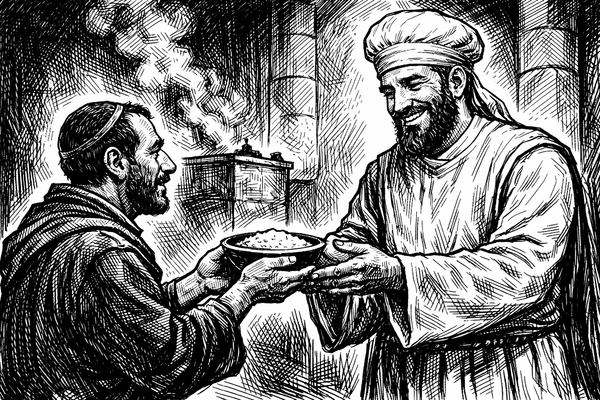
Rashi taught that the pasuk right before Sotah says a person's possessions need to be apportioned to the Kohein.
If he doesn't give what rightfully belongs to the Kohein, he will end up needing the Kohein for the Sotah.
The Torah is teaching us how to master these lures.
These three episodes represent the downfall of the world.
And the Nazir seems to be the path that repairs them all.
Unholy Wine
The Torah’s choreography is brutal.
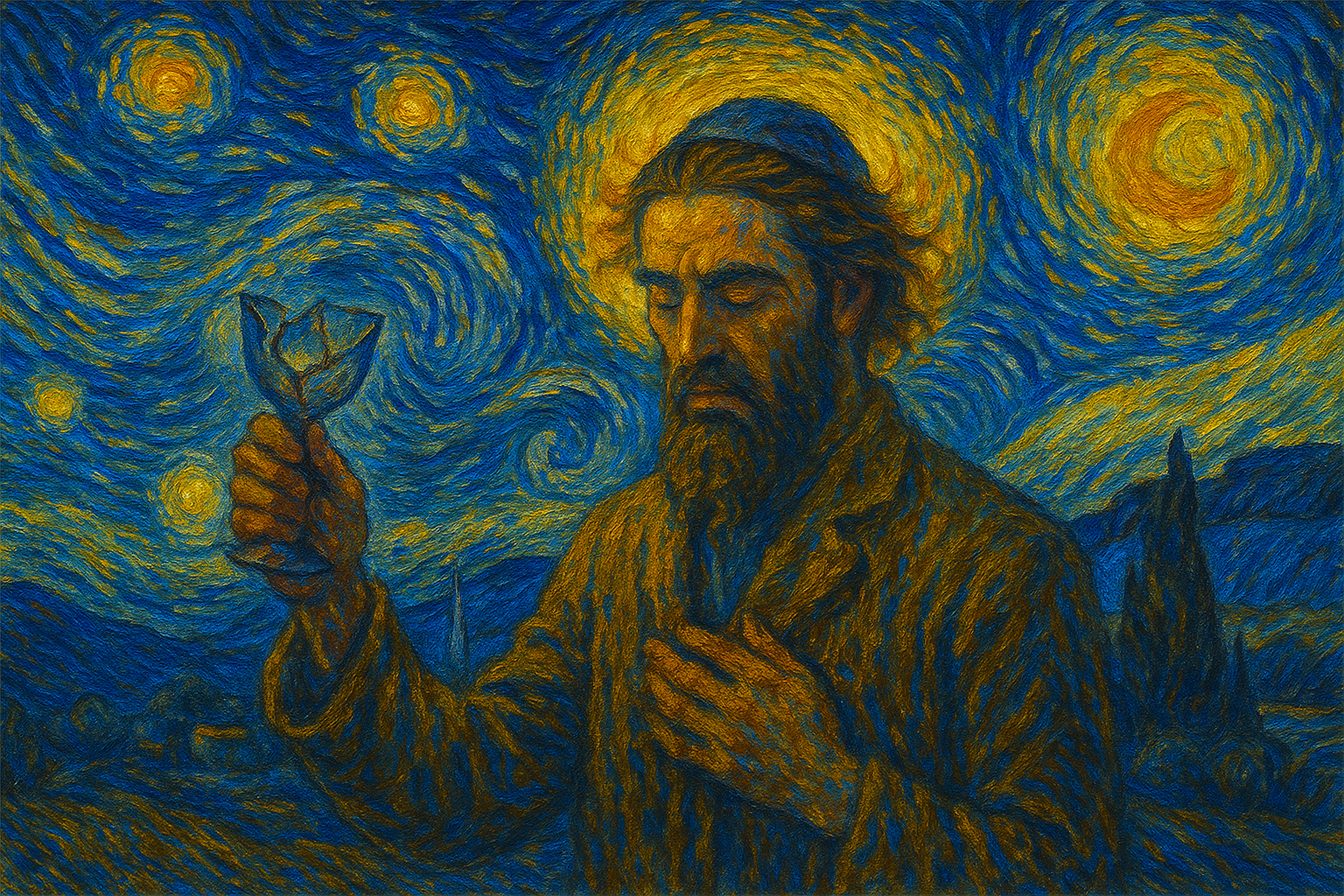
In the courtyard of the Beis Hamikdash, the accused woman’s hair is loosened, her Keter, her glory, unraveling into public shame.
This visual undoing mirrors the inner unraveling that began with a private glance and fermented under wine.
The Gemara in Sotah says, “One who sees a Sotah in her disgrace should abstain from wine” because desire rarely detonates without fermentation.
Reish Lakish held that husband and wife are matched, meaning that her actions stem from his. Her behavior is a result somewhat of his.
Is our world today so different?
Instagram filters replace wine, but the algorithm still knows how to slip intoxication into the bloodstream.
Every “harmless” reel is a drop of alcohol aimed at your clarity.
The thing that should not be slithers from screen to psyche, daring you to claim you are different.
And what of all the other distractions that leech into our hearts and minds and leave us drunk with confusion?
All the bowing to money and honor.
All the gnashing of teeth for piety when it reeks of Gaivah.
Crowned Fury
The Torah’s answer is not moderation but consecrated overreaction.
See collapse, swear off wine.
The Arizal teaches that the uncut locks draw spiritual light from Keter, the realm beyond intellect.
The letters of נזיר also spell נזר—crown.
The Nazir grows his hair as a living diadem.
What others call extreme becomes a forged purpose.
The Ibn Ezra says something huge about the wording used for the Nazir.
יפלא. יפריש או יעשה דבר פלא כי רוב העולם הולכים אחר תאותם:
“The word yafli means to set aside. On the other hand, it might mean doing something out of the ordinary. The word yafli is related to the word pele (wonder). For most people, they follow their lusts. But this person took an oath to separate himself from the pleasure of drinking. Hence what he did was wondrous.”
Pulpit pundits preach balance—shvil hazahav, the golden mean. Good advice when the waters are calm.
The Nazir’s uncut hair parallels the Sotah’s disheveled hair during her ordeal. Both reflect states of spiritual exposure.
Two destinies divided by a single decision.
Moderation whispers a lullaby, a fade to black.
Sometimes the only way to break free is to overcorrect so violently that the chain snaps.
Even crowns crack.
Even the Nazir can falter.
No story hammers the caution home like Shimshon HaGibor.
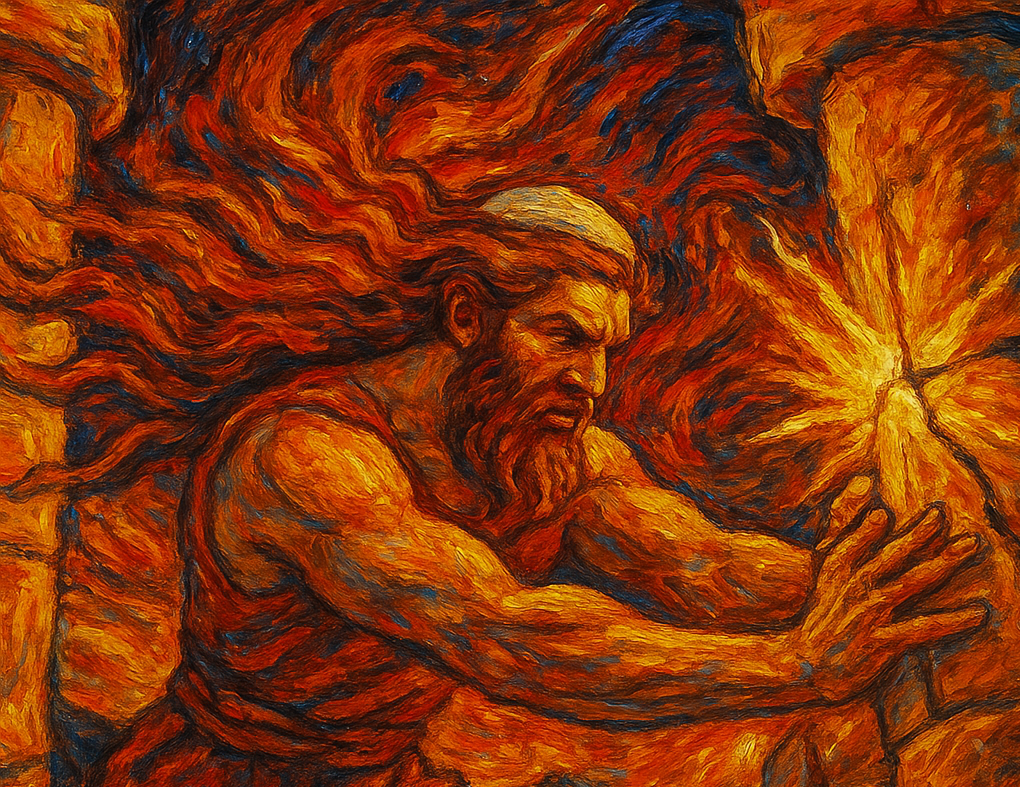
Shimshon wasn’t just born strong; he was hard-wired as a Nazir, a walking Keter.
No wine, no graves, no barber.
That radical self-lockdown was the only key that could shatter the Plishtim.
Reb Noson explains that Plishtim (from the word mefulash) symbolizes a worldview of total openness, no moral or spiritual constraints—chaotic extremism in any direction.
A total embrace of the three things that remove a person from the world.
You can’t reason with mefulash; you choke it with holiness.
Shimshon’s final act proved it.
But he almost lost it all.
Delilah sheared both locks and destiny.
The Nazir must bring a sin offering on day thirty-one because holiness mis-aimed can turn prideful.
Rashi and the Ramban wrestle with this paradox.
Rashi says his sin was that he afflicted himself at all; Hashem doesn't want us to needlessly afflict ourselves.
The Ramban says the Nazir should have stayed a Nazir and not end it ever.
He became like a Navi. How could you just stop being a Navi?
So, is the Nazir a saint or a sinner?
Perhaps what comes out of this Machlokes is that intent determines the choice.
Like the Nazir of Shimon Hatzadik who took a drastic move to distance himself from his ego.
Are you prepared to live your life always staying somewhere in the middle, constantly wavering above and below the line?
This never works, and always leads to major falls.
Complacency kills.
You need to do something drastic, even if people will think you extreme.
The Nazir must bring a Chatas because extremes scar, but better a scar than a corpse.
And because Hashem loves you more than you will ever understand, immediately afterward comes Birchas Kohanim.
Three rays of blessing that suture these three self-inflicted wounds.
The Torah’s order whispers: fight hard, then stand still while Hashem stitches the tear.
Rallying Cry
So what can you do?
Society still leaks through money, marriage, and the mirror.
Kinah, Taivah, and Kavod.
But you are a Gibor.
A Gibor takes back his life.
He rides the lightning of holy fury.
Here are three areas you can work on to take extreme action today in a world where Nezirus is dormant,
These are Micro Maiseih Nezirus.
The first is to choose a rebbe, or talk to the rebbe you already have and follow his psak exactly—even when it grinds your gears.
No “I heard a kula.” Obedience muscles crush the idol of ego.
To do this right you need a rebbe who is willing to actually tell you something you don't want to hear. Those are hard to come by.
If you don't have a rebbe, start searching, and don't stop.
We'll discuss this process another time.
For now, your only guide should be finding someone who is willing to tell you what’s what and has taken the time to know where you are coming from.
The second is from Ma’ariv to Shacharis; the phone goes in a locked box, with no screens, and no socials.
In fact, a real gibor move would be to delete social media completely.
Yes, you will be out of contact. It will make your job hard.
Being dead before you are buried is harder.
Hire a social media manager if you absolutely must, but get off the Gram.
Third, do Chesed anonymously.
Next time they auction aliyahs in shul, or an organization you support has a campaign, do not pledge.
Write a check separately and give the amount you would have in public.
If these don't work for you. Pick something else that's more relevant for you.
My rebbe told me that every day you need to do something hard, against your nature.
Choose something your friends would tell you is too extreme, but you know is right.
Train with these so you carve the vow before the stars blink out.
Let the freight train meet a man who doesn’t flinch.
I dare you.
You made it to the end. Now go and make your loved ones question all thei life choices. Let me know how it goes.