Matos-Masei - He Who Hears the Cry
How Empathy Is the Highest Form of Psak
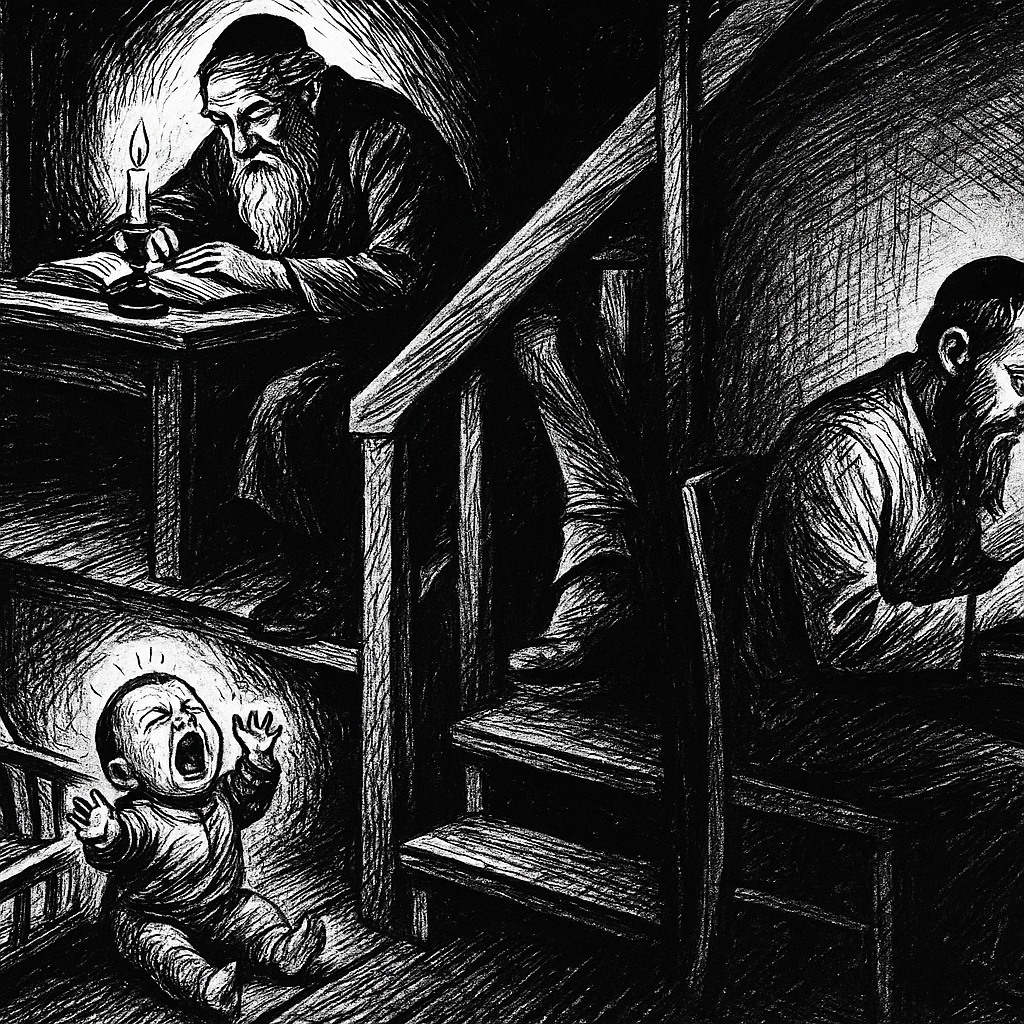
One night, the Alter Rebbe, Rabbi Schneur Zalman of Liadi, sat learning.
Upstairs, though absorbed in his studies, he heard something.
His grandson, Rabbi DovBer, was also learning.
His young child had stirred, then fell from the cradle and began to cry.
The father heard nothing.
The grandfather, upstairs, heard it all.
He descended, lifted the child, soothed him, and rocked him gently back to sleep.
Later, the Alter Rebbe spoke to his grandson.
“No matter how lofty your thoughts, you must never fail to hear the cry of a Jewish child.”
That’s not just a sweet story. That’s a rebuke. That’s halacha.
This week, we learn a strange thing.
The Torah gives the laws of nedarim, vows.
These are some of the most delicate areas of halacha, where words become binding, where one utterance can turn a man’s home into a graveyard or a sanctuary.
And to whom does the Torah entrust this?
Not the Kohen Gadol. Not a committee. Not even the Sanhedrin.
It gives it to Moshe.
Why?
The Midrash answers with fire:
Because he saw their burdens. Vayar be-sivlosam.
Moshe Rabbeinu didn’t just see pain; he stepped into it.
He put his shoulder beneath the load.
He got dirty. He sweated. He hurt.
And so Hashem said, “You sat beneath their burdens; you will sit to unravel their vows.”
You will be their posek. Their dayan. Their nosei be-ol. The one who carries the yoke.
I once learned with a chavrusah who wasn’t ready for the topic we were assigned.
We were in a Yeshiva program for kids with little to no Torah background.
He was hungry to explore something else, something personal.
I said no. “The program says we’re learning this.”
And I watched his heart close.
I was young and dumb as they say, trying to be a “leader.”
But I hadn’t earned that yet.
I hadn’t felt his cry. I only heard the rules.
Rules without burden-sharing become cruelty.
The Gemara in Berachos (32a) teaches that Hashem made a vow after the Golden Calf.
A terrifying vow.
And Moshe—wrapped in his tallis like a dayan—annuls it.
Hashem, as the vower, comes before the sage.
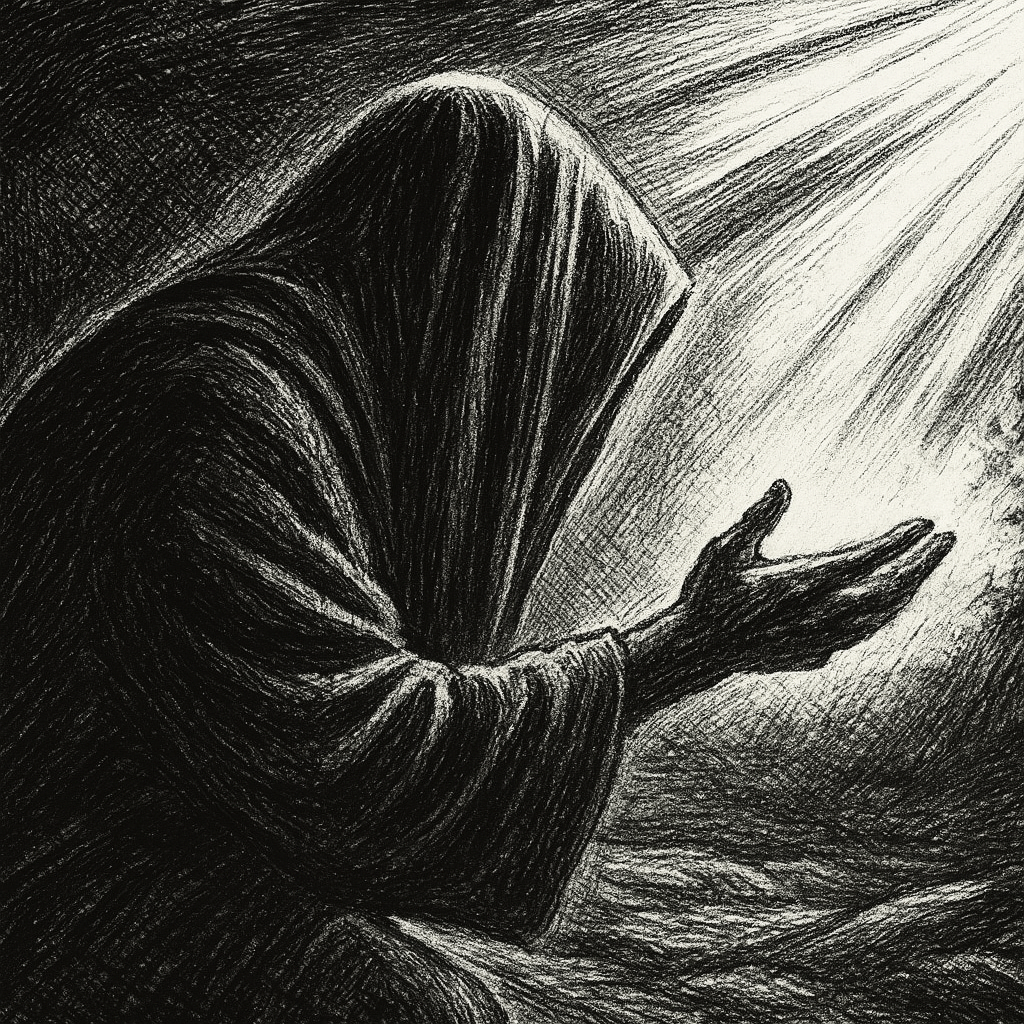
What gave Moshe that power?
He didn’t study more than Aharon. He didn’t memorize more Mishnayos than Yehoshua.
How is Moshe different?
He felt deeper.
This is what Matir Nedarim means.
Not just halachic parsing.
Not armchair commentary.
It is the careful work of unpacking pain.
Of understanding the context, the regret, and the reason why the vow wasn’t made with full knowledge.
And only someone who can empathize and feel another’s pain can do that work honestly.
You want to know if your chicken is kosher?
A small posek checks the chicken.
A great posek checks your heart.
He checks all the things that aren't written in the books.
He reads everything in the creases of your face, of the pain pouring from your heart.
How many mouths does your wife have to feed?
What will this cost?
How will it affect her dignity to serve fish sticks on Yom Tov because you’re too scared to ask a second shaila?
I’ve seen the greatest poskim give the gentlest answers.
Not because they’re lenient on halacha, but because they’re strict about the human soul.
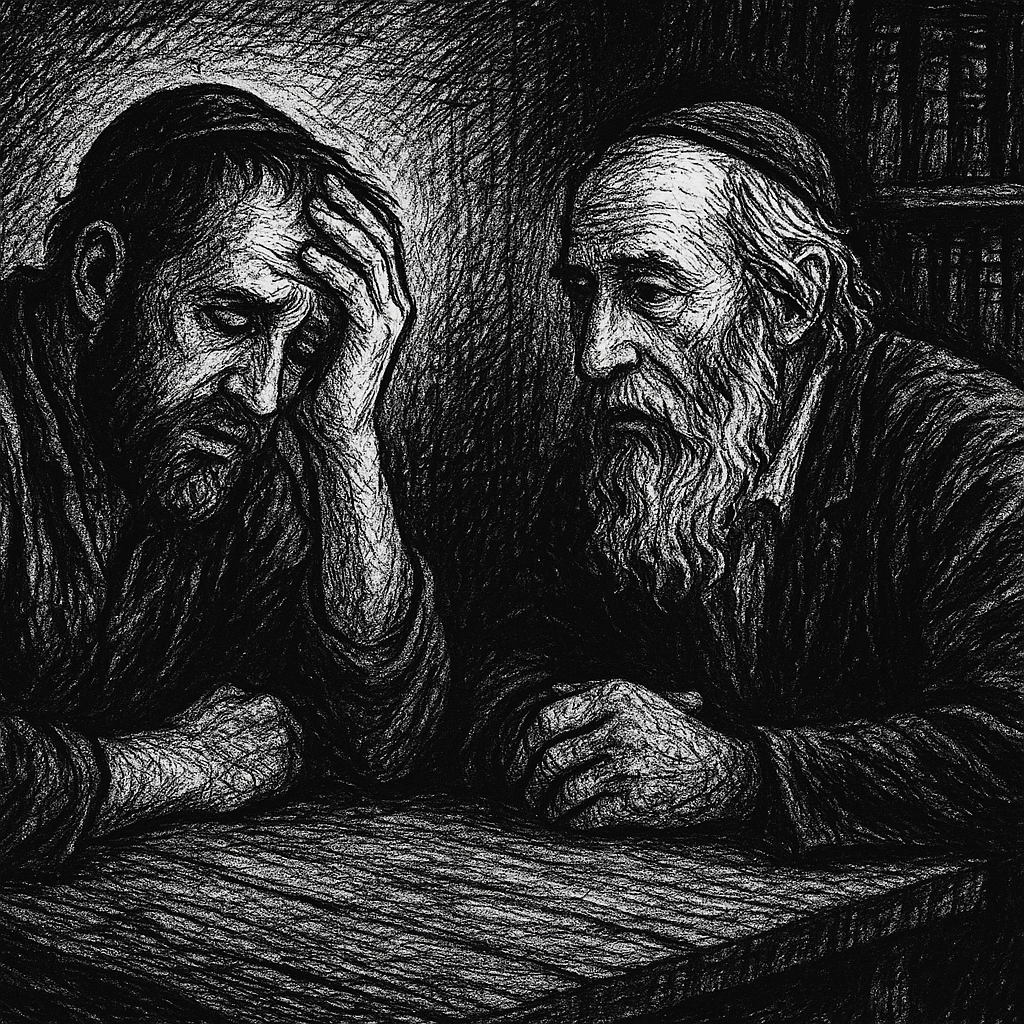
Hubris infects leadership when the leader forgets the pain of the people.
That’s how empires fall.
Rome didn’t collapse from swords; it crumbled under self-importance.
So did the monarchies of Europe.
And now, so does democracy: a bloated god with no ears.
We praise leaders for their eloquence, their confidence, and their strategy.
But not for their ears.
Torah does.
Moshe was chosen because he listened.
The parsha is called Matos, tribes. It begins with leaders.
It ends with Masei, journeys. Forty-two stops in the wilderness.
Each one etched in Torah.
Why?
Because each one was a place of struggle.
A cry. A moment of human weakness or divine mercy.
The Torah records journeys because journeys leave wounds.
And those wounds must be heard.
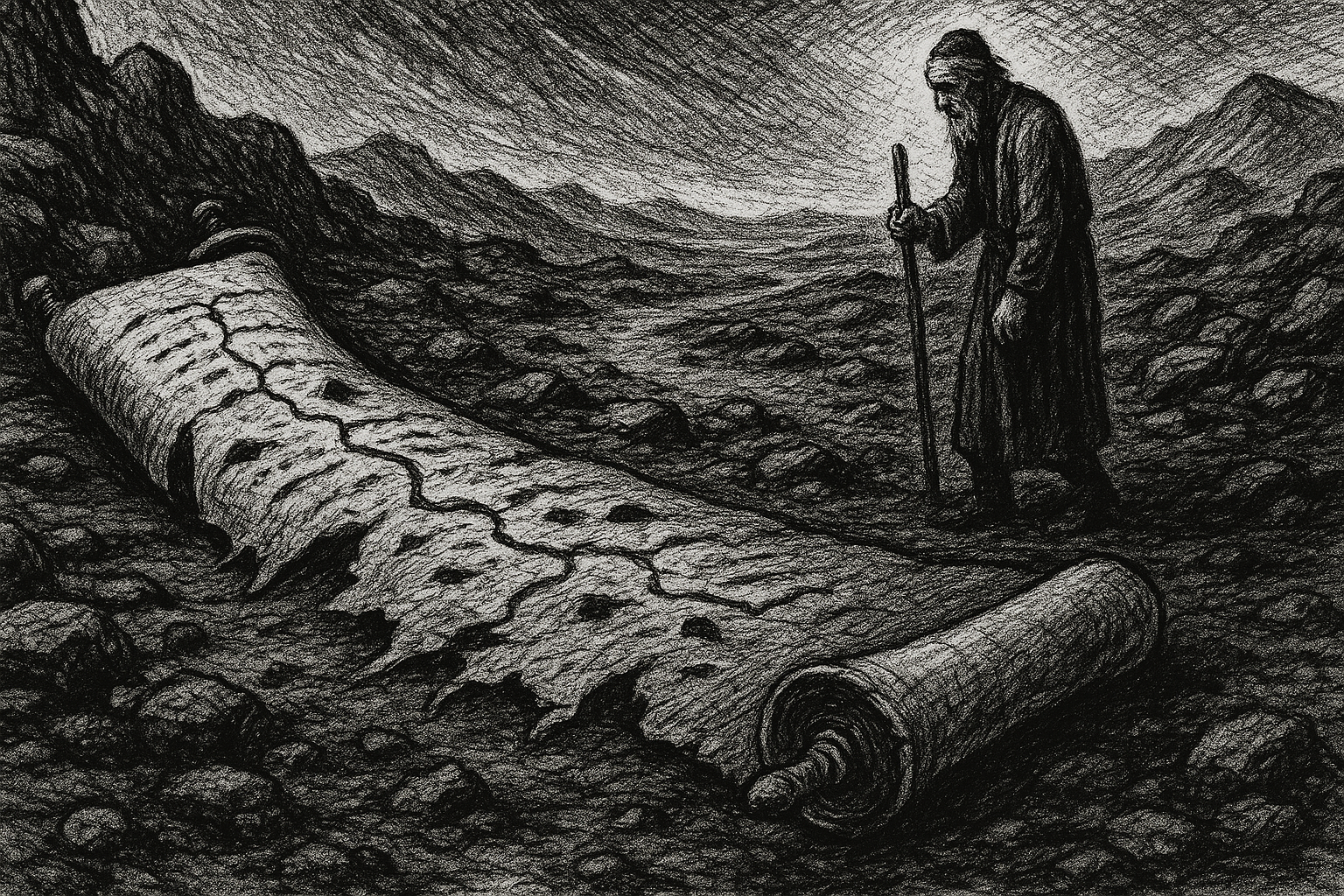
A leader, a Rav, a Rebbe, a Posek who cannot trace the map of pain is no leader at all.
A father who cannot hear the cry of his child, even while he learns, is not yet a father in full.
A man who wants to lead must learn to weep silently for the people he serves.
I’ll never forget that chavrusah.
I failed him.
I can’t say I’ll never make that mistake again.
But it’s a pain I will never forget.
I’ve seen the difference.
I’ve seen the man who pounds the table to prove a point.
And I’ve seen the man who quietly listens to a broken question and answers in a whisper.
The second one heals the world.
Be like that.
Be the one who feels.
You cannot annul what you have not felt.