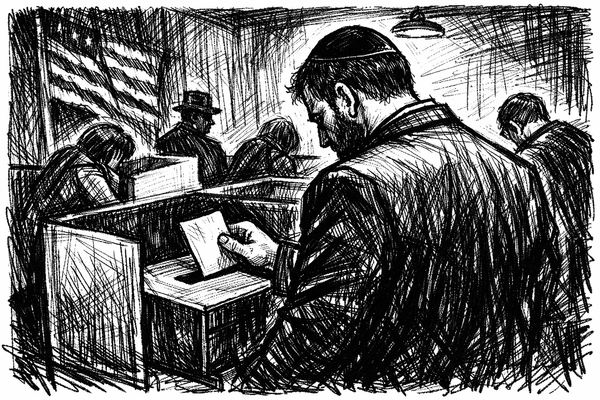
Chukas - Ashes, Anger, and the Price of Entry
Trust or Tactics: Why Water Isn’t Worth the Wasteland
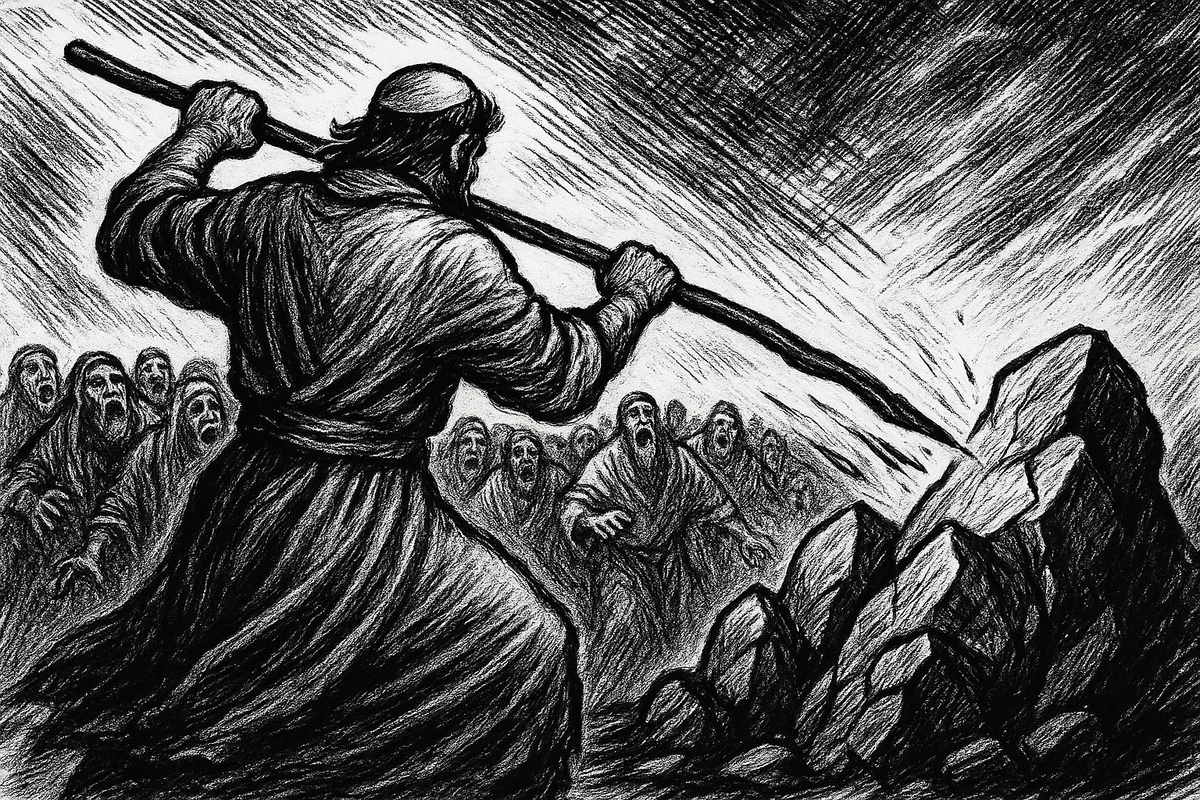
The desert air is brittle.
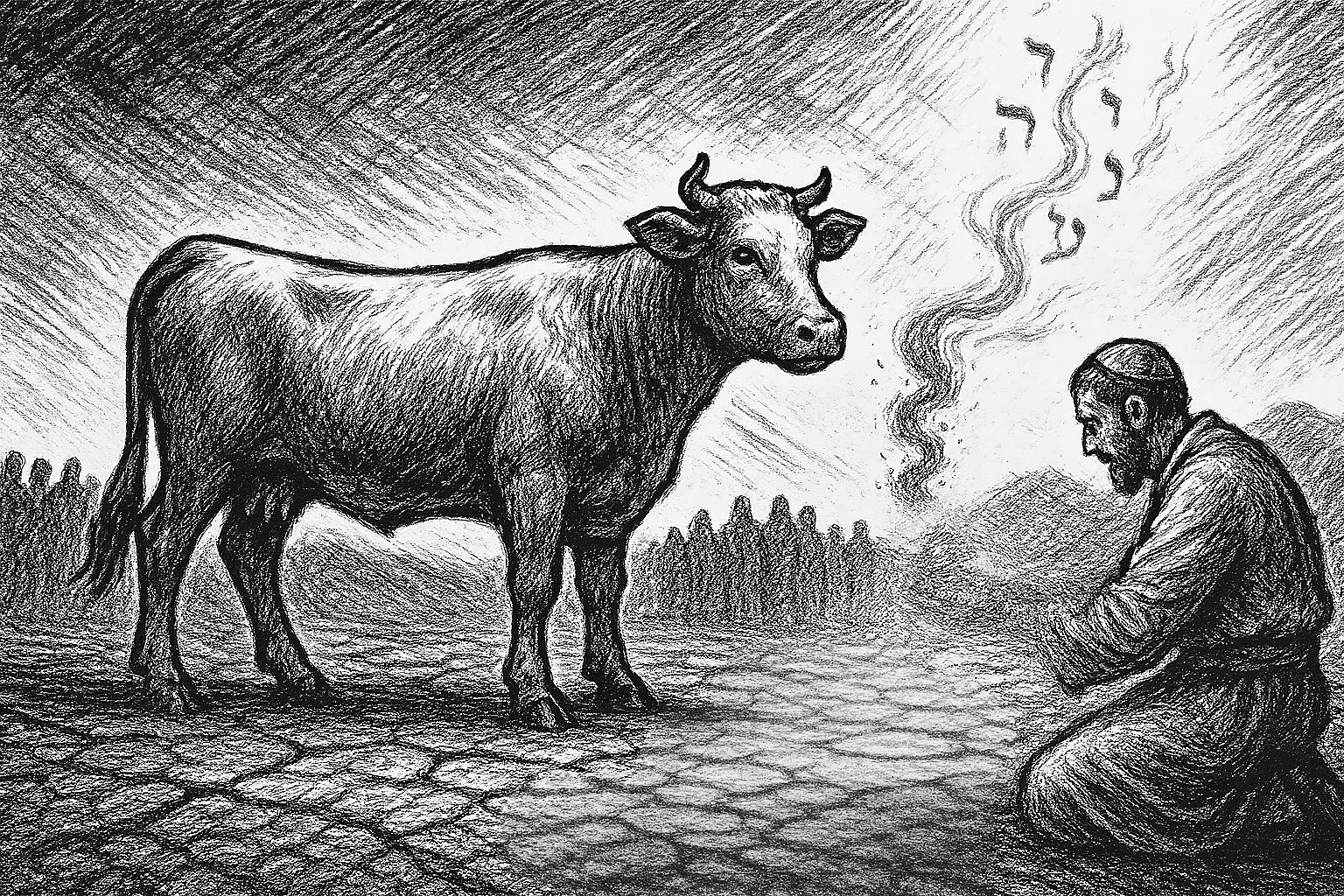
Miriam has just been buried, and the camp of men, wives, and weary children presses around Moshe like a fist.
“Water,” they snarl.
Moshe lifts the staff that once cracked Egypt’s spine.
Hashem’s command is clear: “Speak to the rock.”
One heartbeat.
The old anger flares. The staff whistles down—CRACK!—and water erupts in a silver torrent.
The people drink, but a voice rides the spray:
“Because you did not trust Me to sanctify Me… you shall not bring this congregation into the land.” (Bamidbar 20:12)
The greatest prophet traded The Land for a single blow.
What, then, of us?
Why Giborim Still Miss the Land
A Gibor is forged in resistance, yet many of us are sleep-fighting ghosts: scrolling in the dark, snapping at our kids, drowning in work we never chose.
We keep swinging yesterday’s weapons—rage, escape, autopilot—because striking feels faster than speaking raw truth.
Each blow may ease the pressure, but it silently taxes our ticket to the life we were born to rule.
Chovos Halevavos teaches us that if we ever hold back trust in Hashem, we are automatically trusting in what is not in Hashem.
Most often this seems to refer to one who worships idols.
The Torah here is teaching us that this refers to our own ego, anger, and desires as well.
And that even Moshe, the greatest of us all, is susceptible.
Chukas begins with the Parah Adumah.
It is a chok, it makes no sense and has no reason.
Ashes that purify the impure yet defile the pure.
Perhaps the Torah is whispering, Your logic is not the gate to freedom; humble trust is.
Moshe’s error is not mere anger; it is clinging to an old method when Heaven demanded a new act of trust.
Trust That Blinked
Seforno says Hashem planned a third-tier miracle.
water created by speech alone, a feat that glorifies the Creator far more than the prophet.
Moshe flinched.
He saw a nation steeped in complaint and judged them unworthy of that higher wonder, so he slid back to the safer second-tier tactic.
He used the staff that had never failed him.
But Chovos HaLevavos teaches us a brutal equation.
Wherever Bitachon is absent, some other reliance fills the vacuum.
If you stop leaning on Hashem even for a breath, you are—by default—leaning on something else.
Be it the staff, the crowd’s approval, or your own fear-lined logic.
That shift is miniature avodah zarah, a sideways bow to a lesser power.
Moshe’s microscopic mistrust was but for a moment, but for a leader of his stature it carried cosmic weight.
The chance to carve Hashem’s supremacy into stone-and-water history dissolved.
The lesson for every Gibor is volcanic.
Every angry swipe, ego flare, or comfort scroll is a private idol set on the desk of your heart.
Strike the rock, and you might get water, but at the ruinous price of shrinking the Name.
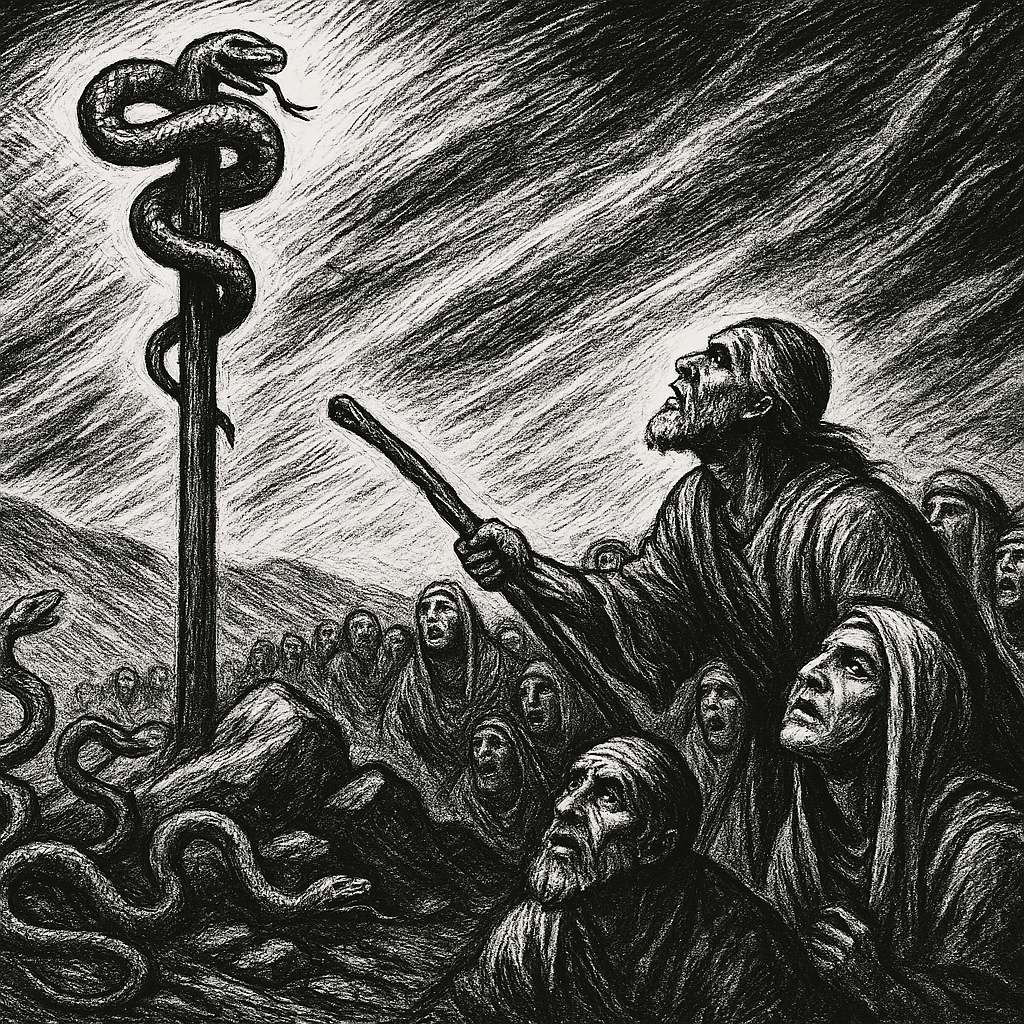
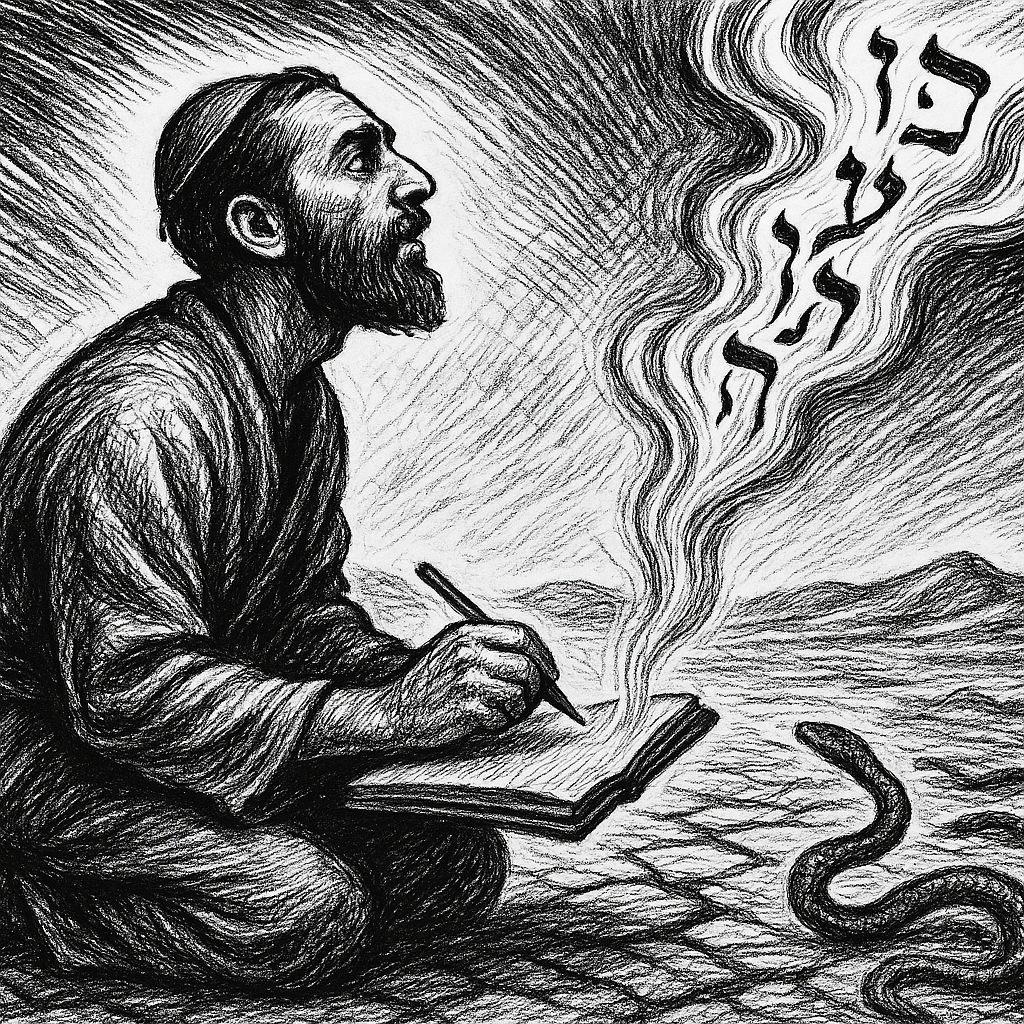
Moments later, fiery serpents bite the camp.
The cure?
A bronze serpent lifted skyward.
Whoever looks up lives.
Same lesson.
Change the vector of trust, and venom turns to medicine.
Words to Master
Use the following “words” when you feel yourself spiraling down away from trust in Hashem.
- Rage-Swipe (phone, child, driver)
Say, “I need water.” State the thirst, delay the blow. Train yourself to add a step between the cause and your response. - Midnight Scrolling
Say, “Hashem, fill my well. Sabeinu Mituvecha, no one else's.” Say it aloud, then power off. - Silent Withdrawal
Say, “I feel dry.” Confess hunger to Hashem instead of vanishing. - Impulse Buying or Eating
Say, “Does this enter the land?” Screen actions against destiny. - Perfection Paralysis
Say, “One true word today is enough.” Start with a single spoken commitment.
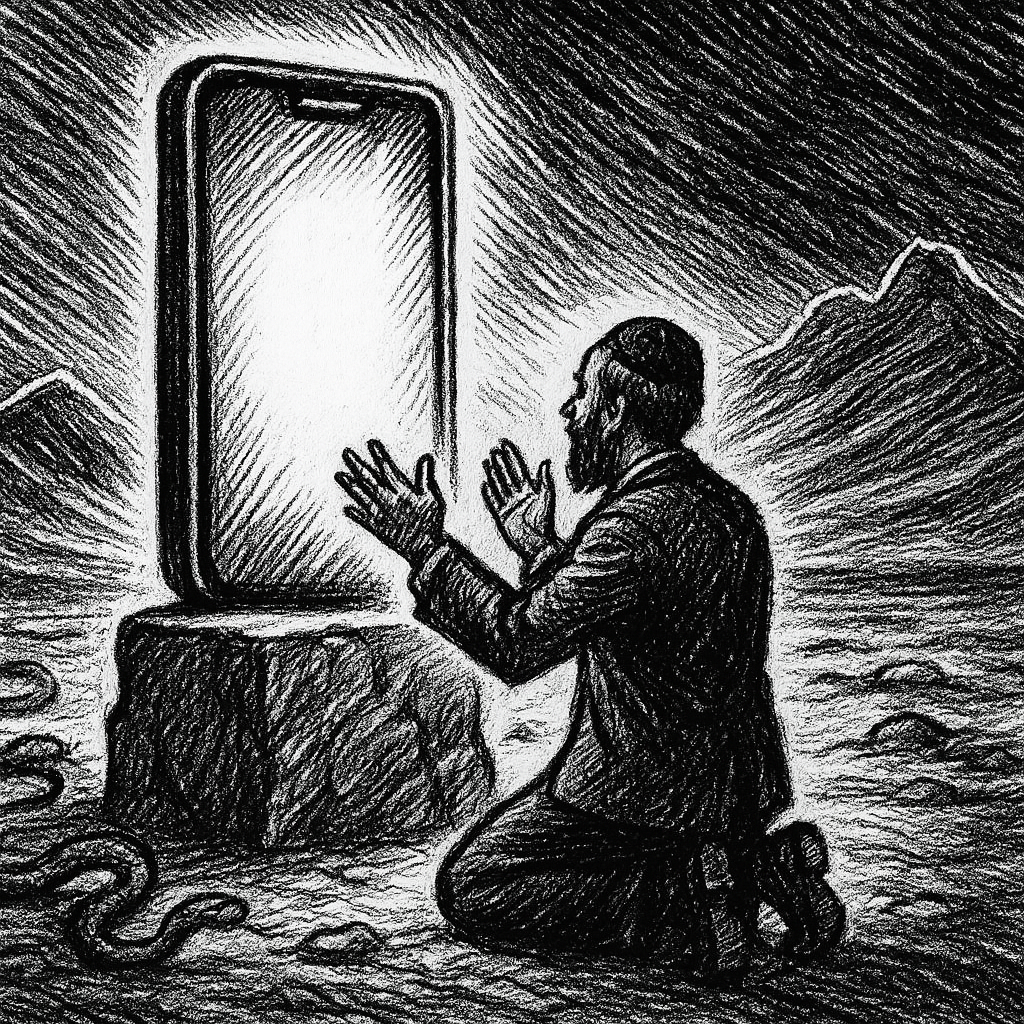
Reframe yourself using the bronze serpent image.
When venom surges—stress, lust, despair—look up.
Recite a single line of Tehillim, stare at the sky, and stare within yourself.
Elevate the eyes, neutralize the poison.
Try the Promised-Land 40-Day Challenge.
Select one realm you keep “outside the Land”. Maybe its your health, marriage, realtionship with others, financial order.
For 40 days, ask yourself, or journal, whatever works best, did I speak or strike?
Watch the map open and your route start recalculating.
Make this promise to yourself: “I will master the word before I swing the staff”.
The Price of Entry
Moshe dies on the mountain, his staff beside him, the land glittering just beyond reach.
The Torah etches that scene into our bones so we never forget.
Water can gush and still cost you everything if it comes from the wrong motion.
The Gibor’s path is not a louder strike but a braver sentence, spoken to self, spouse, son, and Creator.
Your Move.
May the Master of Waters grant you a tongue that cuts deeper than any staff,
a heart that trusts faster than anger can rise,
and footsteps that carry you, unbroken, across the desert to your promised ground.
Let the living waters flow through your words, healing those you lead—
And may your victories sing a Kiddush Hashem in every corner of your life.