Bamidbar - Be The One They Call First
Bamidbar’s blueprint for high-agency leadership
You've forgotten what it takes to be a frum man.
We all have. It's not your fault. This is the result of years of pain and struggle across generations.
Generational trauma piling up like the Staten Island landfill.
Toxic chemicals seep into your system over time, infecting your kishkes.
Don't get me wrong. There are still many Giborim around today. But they exist outside the norm.
I’m not talking about outside the community, souls still searching, running, and returning.
That's a different journey we’ll talk about another time.
I’m talking about people who put their trust in Hashem and could not give a darn what anyone else says.
These are men whose very essence demands the physical world around them conform.
They spit in the face of The Gashmi Game and rise to every occasion.
They know this world is designed to keep you chained to comfort and boring mediocrity.
Most people fall into lockstep, head down, hoping someone else shows up to give them a handout.
Some people learn how to break free from this Matrix.
The Torah teaches us how to do this.
That's all we will ever focus on here at Gibor.
So how do you know who is a gibor for real?
I heard Rav Moshe Weinberger say in a shiur once. “Everyone wants their son to be Moshiach, but no one wants their son to go through what Moshiach has to go through to get there.”
The journey to become one is difficult, exacting, and hard to accomplish. Not many out there who’ve done it.
This Newsletter’s entire goal is to try and map it out.
This week’s Parsha talks about a few of these Giborim.
Hashem tells Moshe and Aharon to count the Yidden.
But they are not to do it alone.
וְאִתְּכֶ֣ם יִהְי֔וּ אִ֥ישׁ אִ֖ישׁ לַמַּטֶּ֑ה אִ֛ישׁ רֹ֥אשׁ לְבֵית־אֲבֹתָ֖יו הֽוּא׃
And with you there shall be a man of every tribe, every head of the house of his fathers.
(Bamidbar 1:4)
Why do Moshe and Aharon need these heads of houses to count with them?
They know how to count. They did this already back in Parshas Ki Sisa!
So Moshe and Aharon need to go find these heads of houses. Shouldn't be too hard, right?
Never mind. Hashem has got them covered. He just reads out their names.
Nice of Hashem to make it easier for Moshe and Aharon to find, but if they were heads of their tribes already, it wouldn't have been too hard to do.
After the list of these names is read out. The Torah describes them again.
אֵ֚לֶּה (קריאי) [קְרוּאֵ֣י] הָעֵדָ֔ה נְשִׂיאֵ֖י מַטּ֣וֹת אֲבוֹתָ֑ם רָאשֵׁ֛י אַלְפֵ֥י יִשְׂרָאֵ֖ל הֵֽם׃
These were the summoned ones of the congregation, princes of the tribes of their fathers, heads of thousands in Yisra᾽el.
(Bamidbar 1:16)
And of course, Rashi comes in to help us get Pshat.
אלה קרואי העדה. הַנִּקְרָאִים לְכָל דְּבַר חֲשִׁיבוּת שֶׁבָּעֵדָה:
THESE WERE THOSE CALLED OF THE CONGREGATION — those who were called upon for every matter of importance that happened in the congregation.
They were great people. These Nesi’im were major talmidei chachamim, tzadikim.
Yet, Rashi teaches us that the Torah doesn't describe them that way.
The Torah called them “Kiru’ei” because they were reliable.
Two questions.
First, just being reliable doth not a Nasi make.
I would imagine Torah had a few more expectations of the Nasi than just being a reliable dude.
Second, if these Nesi’im were known already as reliable people, why did Hashem have to call their names out specifically?
The Eidah already knew which one in their tribe was the most reliable one.
The Torah is not simplistic. Pashut Pshat does not mean the simple Pshat.
It cannot mean that these guys were just the most epic gofers in history.
That they were ready at the beck and call for anyone who needed something.
No, they would not be Nesi’im, if that's all they were.
No hate on helping others. We need that. With balance.
These men were called out by name by Hashem.
They were named because they were of a higher caliber. A tier above the rest.
The Mizrachi says, “Don’t think they were considered “called by the Eidah” because they were at everyone’s beck and call.
They were bigger than that.
These Nesi’im, by their very essence alone, drew their households to them when there was a crisis no one else could fix.
When they walked into a room, gravity itself got jealous.
Sforno reads “איש ראש לבית אבותיו” as a statement of presence. Each clan chief held unchallenged authority.
They never flashed the title “Nasi.”
They just walked in, and the room locked onto their authority.
During the count—“אתכם,” with these men overseeing everything, the numbers were bulletproof.
No one even dreamed of disputing them.
Picture the scene.
There were no elections, no campaign posters, no “Vote Elitzur for Chief.”
Just twelve men whose very footsteps quieted a camp of 600,000.
They weren’t called Nesi’im until Hashem read their names aloud, but every kid in their tribe already knew who these men were.
If the sky fell, these were the guys on your speed dial.
This is the concept of high agency.
George Mack wrote a wild article on this concept.
It begins with a quick thought experiment.
If you are stuck in jail in a third-world country, who is the first person you call to get you out?
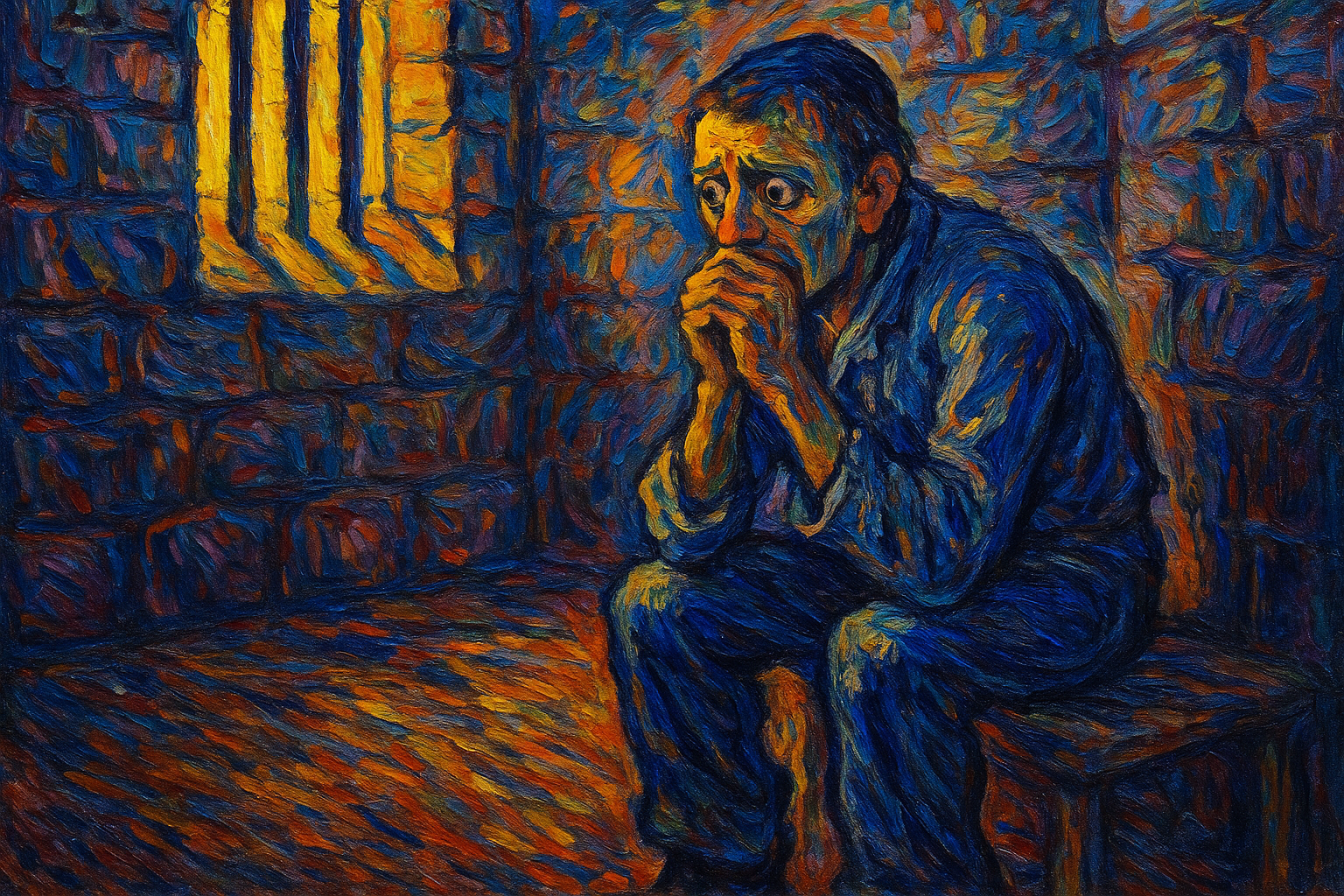
That person is a man of high agency.
That person is the human crowbar who turns “impossible” into a minor scheduling hiccup.
That is who these Nesi’im were.
They step forward and the numbers lock.
No spreadsheets, no recount.
Their reputations were so incontestable that the entire nation staked its inheritance on a single nod.
They didn’t need a badge; they were the badge.
The Netziv asks on this pasuk, the words רָאשֵׁ֛י אַלְפֵ֥י יִשְׂרָאֵ֖ל הֵֽם are extra; the pasuk already calls them Nesi’im?!
He answers that Nesi’im alone may just mean they were good organizers and admin staff.
The words רָאשֵׁ֛י אַלְפֵ֥י יִשְׂרָאֵ֖ל הֵֽם refer to calling out the men for war.
These chiefs weren’t just leaders with a presence that made the ground tremble.
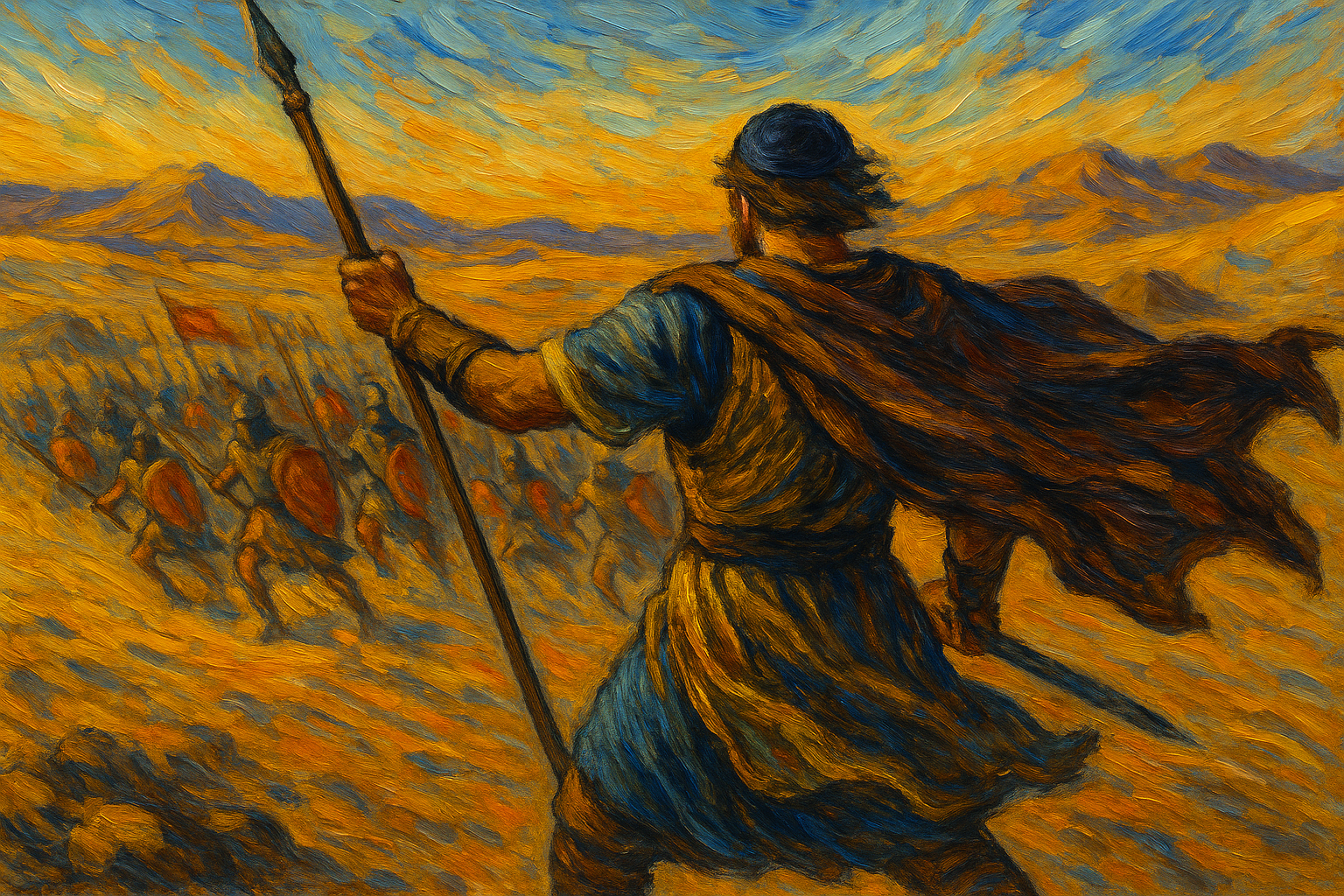
They were architects of war.
They could map supply lines at dawn and lead the charge by dusk.
These Nesi’im were not just good at being the arbiters of the family; they were warriors.
And you know why Hashem called their names out when everyone in Klal Yisroel already knew who they were?
I believe pshat is twofold.
First, these men were humble. They never took the titles for themselves.
It was just understood these were the men for the job.
Hashem had to make the titles official, or they would never have taken the mantle themselves.
Second, Hashem is teaching Klal Yisrael that this is the ideal man.
The humble ones refuse grand titles and positions, but when trouble comes knocking, these men make trouble run crying for their mommies.
This is for you and me to learn and embrace.
You may have different skills than these great men.
The point is not to be the same as the Nesi’im, but to keep in mind that whatever you are meant to do in this world, do it so the very trees and grass crackle with the energy of a thousand suns.
But in a voice that is low and soft and honed into a weapon.
Men do not have to raise their voice to make themselves heard.
They walk in the way of Hashem, and when they speak, the beating wings of hummingbirds for a thousand-mile radius stop dead.
Titles follow agency, never the reverse.
Become the person people call when the cell door slams, and the honorifics will chase you like lost sheep.
The desert didn't happen to the Nesi’im; they happened to the desert.
They shaped chaos into order, and that is the divine calling for every man, for you, to step up.
To grow...
It is the Gibor blueprint.
Act first; let the crown of glory catch up later.
Thank you for reading. Please consider sharing with someone you think needs to hear this.